Modular GenAI Design Systems
Modular GenAI Design Systems
The goal of each system is to give designers better starting points, faster.
[
[
SCROLL TO VIEW MORE
SCROLL TO VIEW MORE
SCROLL TO VIEW MORE
SCROLL TO VIEW MORE
SCROLL TO VIEW MORE
SCROLL TO VIEW MORE
]
]
[Breakdown of five AI systems that compress the distance between idea → artifact → athlete feedback]
[5 AI systems speed up workflow between idea → artifact → athlete feedback]
[Breakdown of five AI systems that compress the distance between idea → artifact → athlete feedback]
1. THE ATHLETE MOMENT system
1. THE ATHLETE system
1. THE ATHLETE MOMENT system
This framework says: “AI doesn’t invent shoes. Athletes do.”
This framework says: “AI doesn’t invent shoes. Athletes do.”
[Core Nike DNA]
[Core Nike DNA]
Concept
Concept
An AI system that generates footwear concepts starting from athlete context, not aesthetics.
An AI system that builds concepts from athlete context.
Inputs
Output
Prompt
Style Direction
Inputs
Output
Prompt
Style Direction
Inputs
Output
Prompt
Style Direction
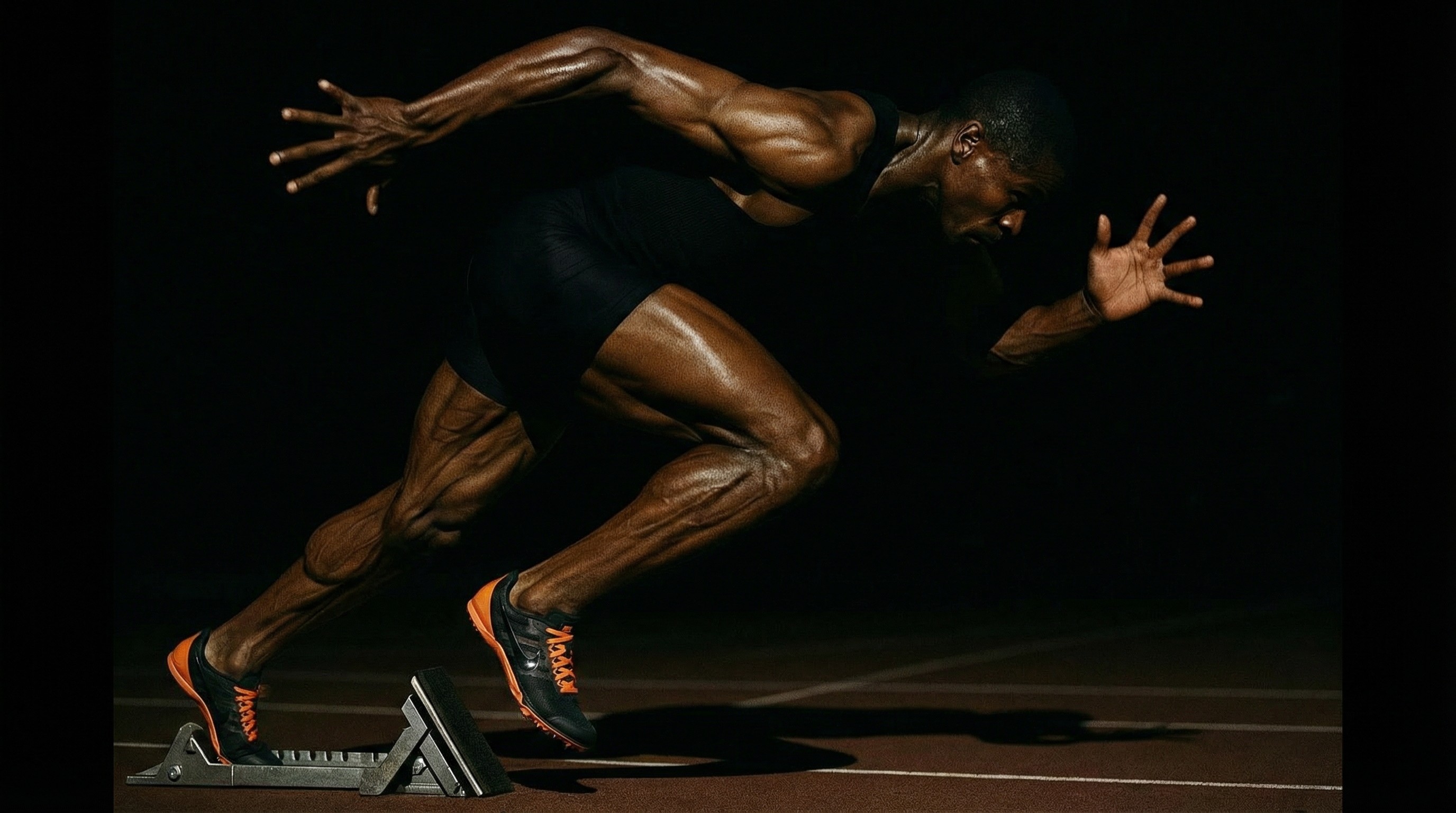
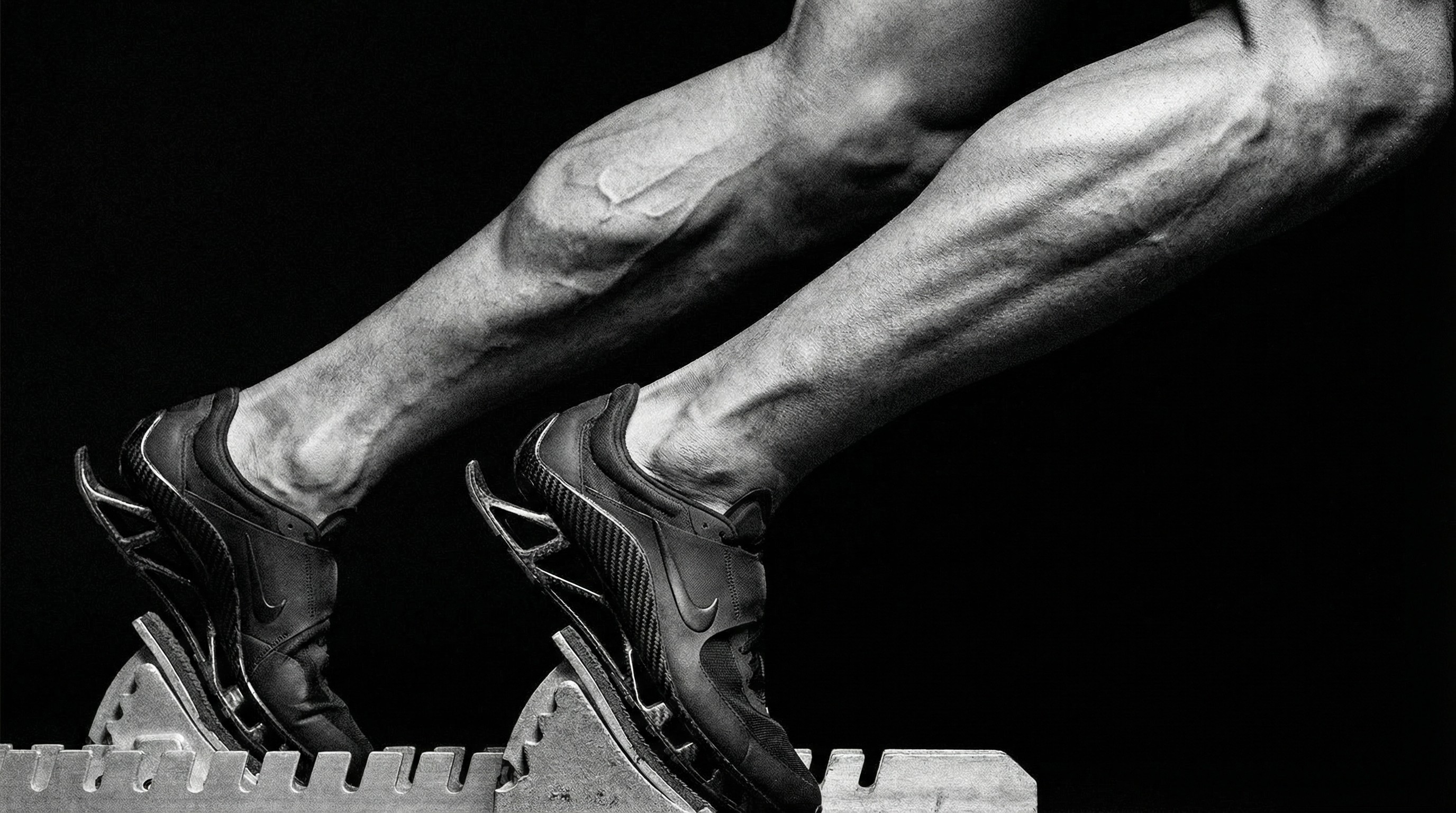
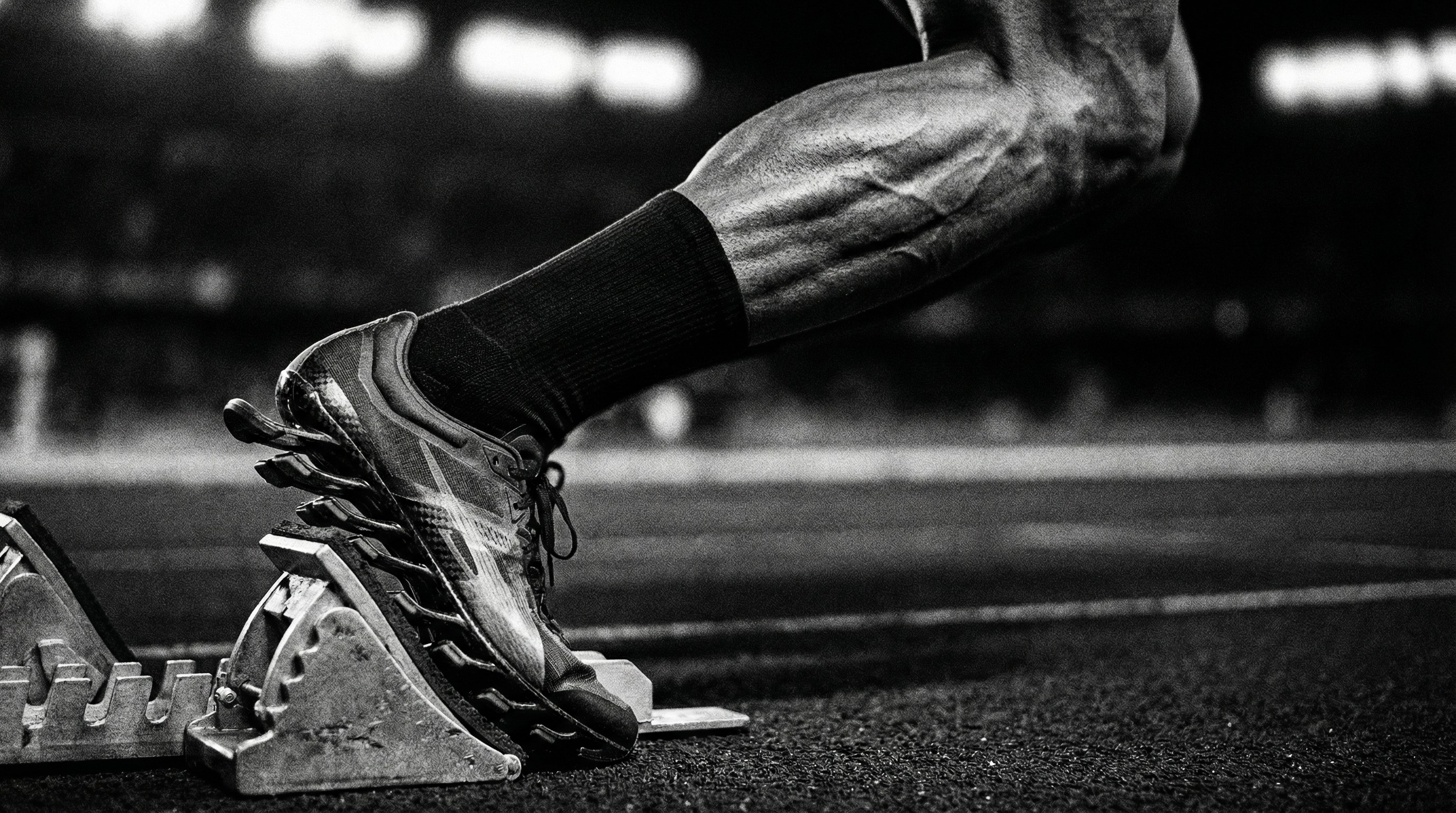
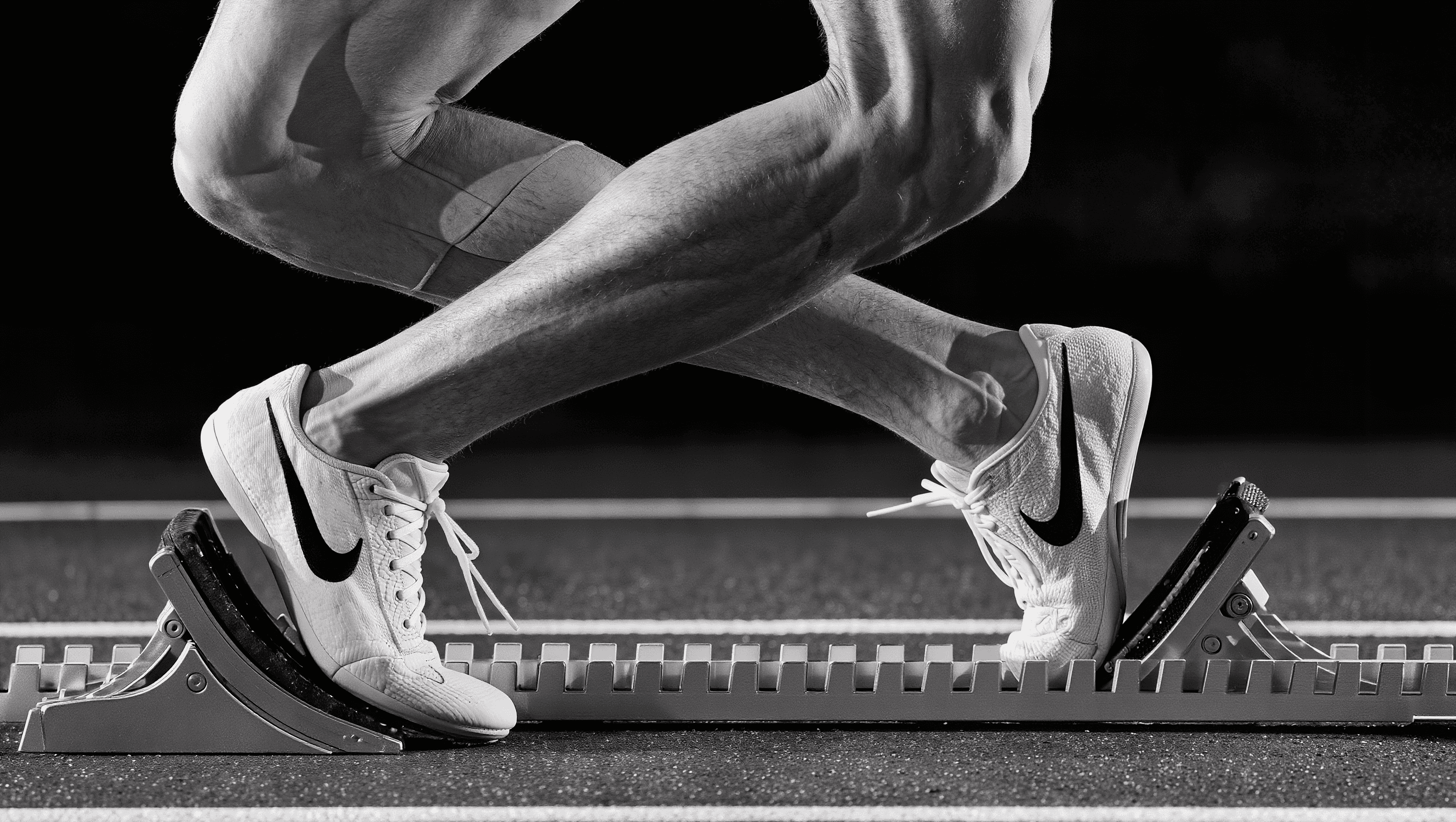
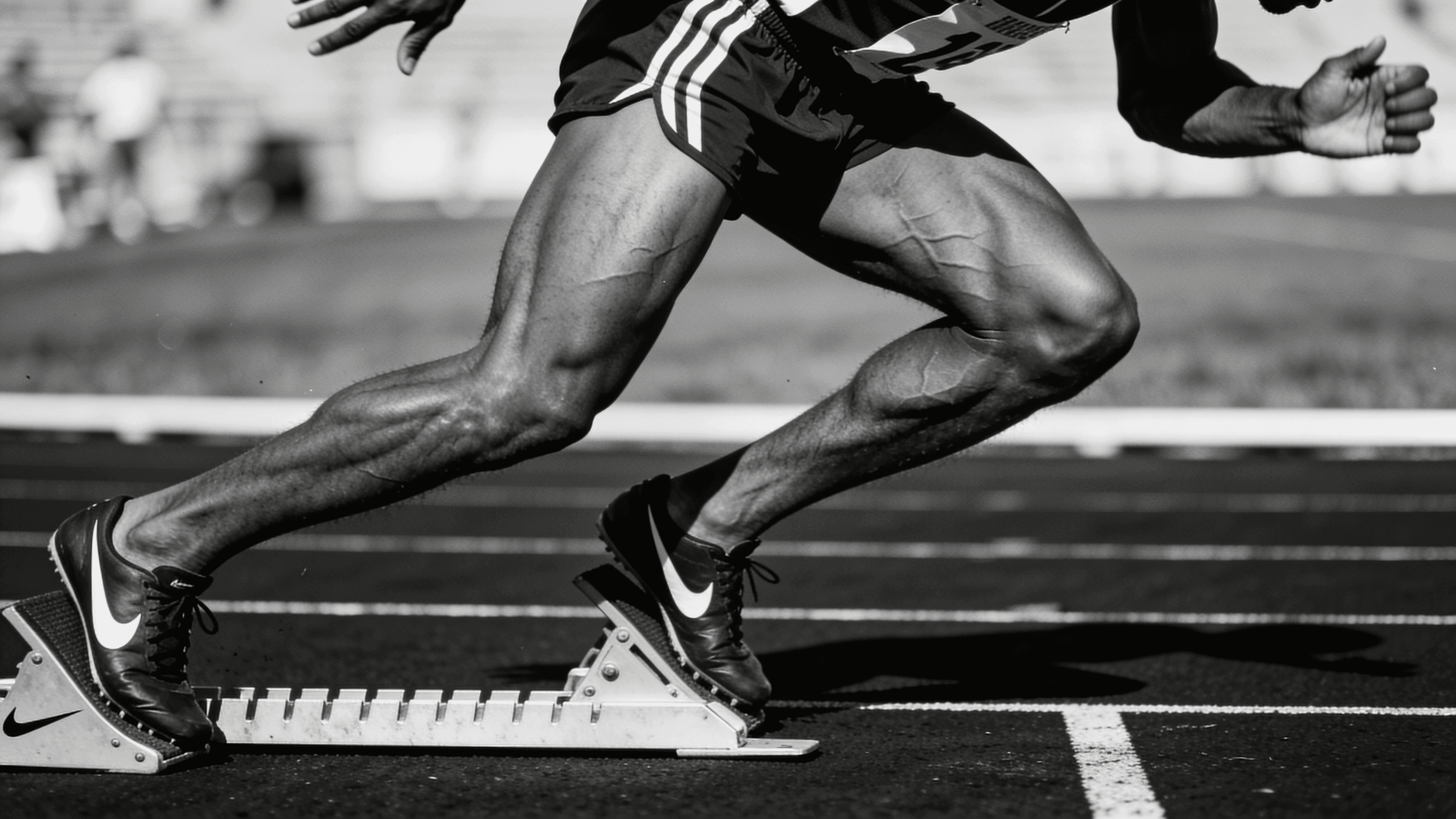
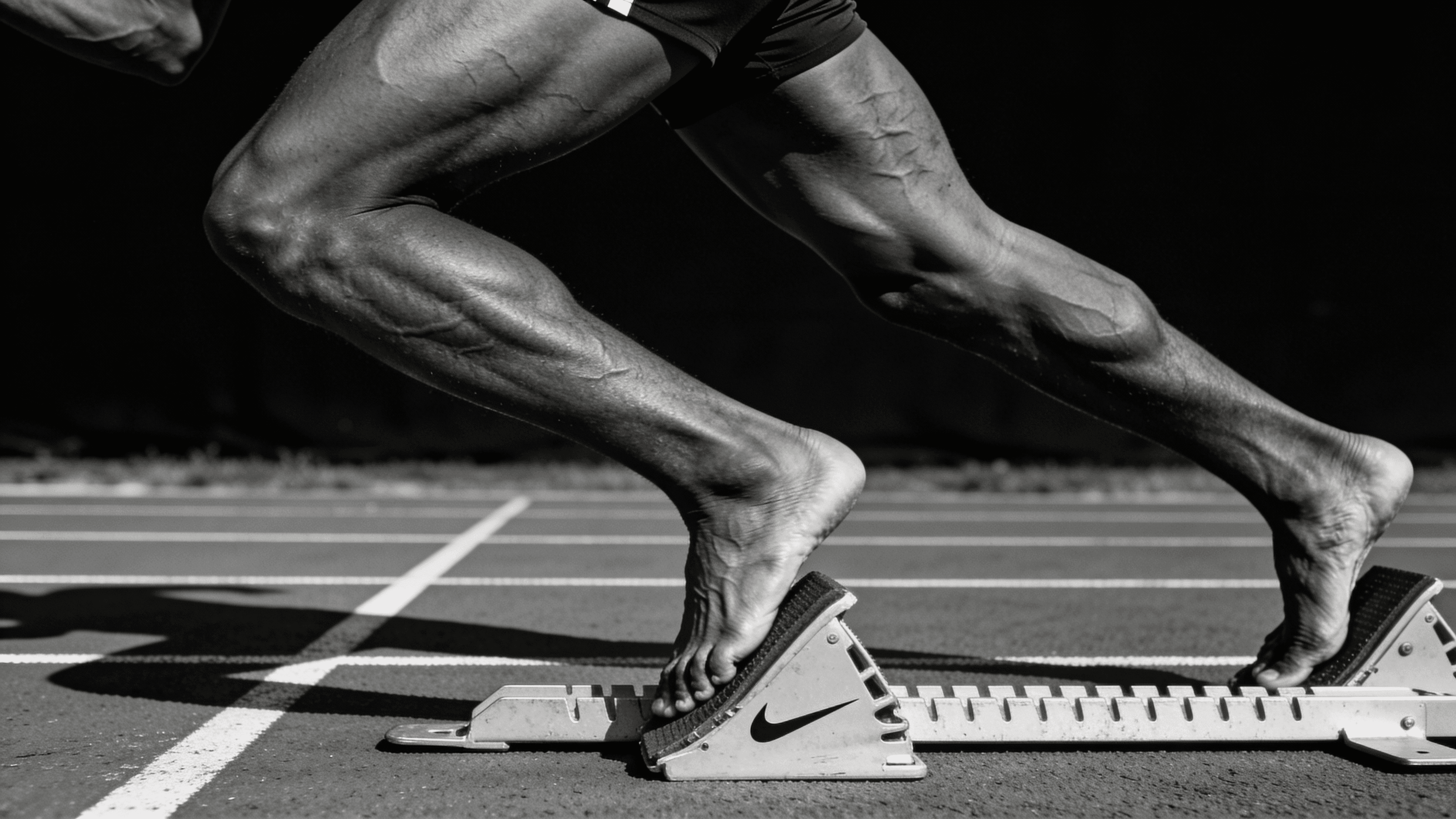
step 1: generate athletic movement
Start with the athlete
Respect Nike’s visual heritage
Gather information on body mechanics, muscle engagement, and shoe usage
step 1: generate athletic movement
start with the athlete
respect Nike’s visual heritage
gather info on body, muscles, usage of shoe etc.
step 1: generate athletic movement
Start with the athlete
Respect Nike’s visual heritage
Gather information on body mechanics, muscle engagement, and shoe usage
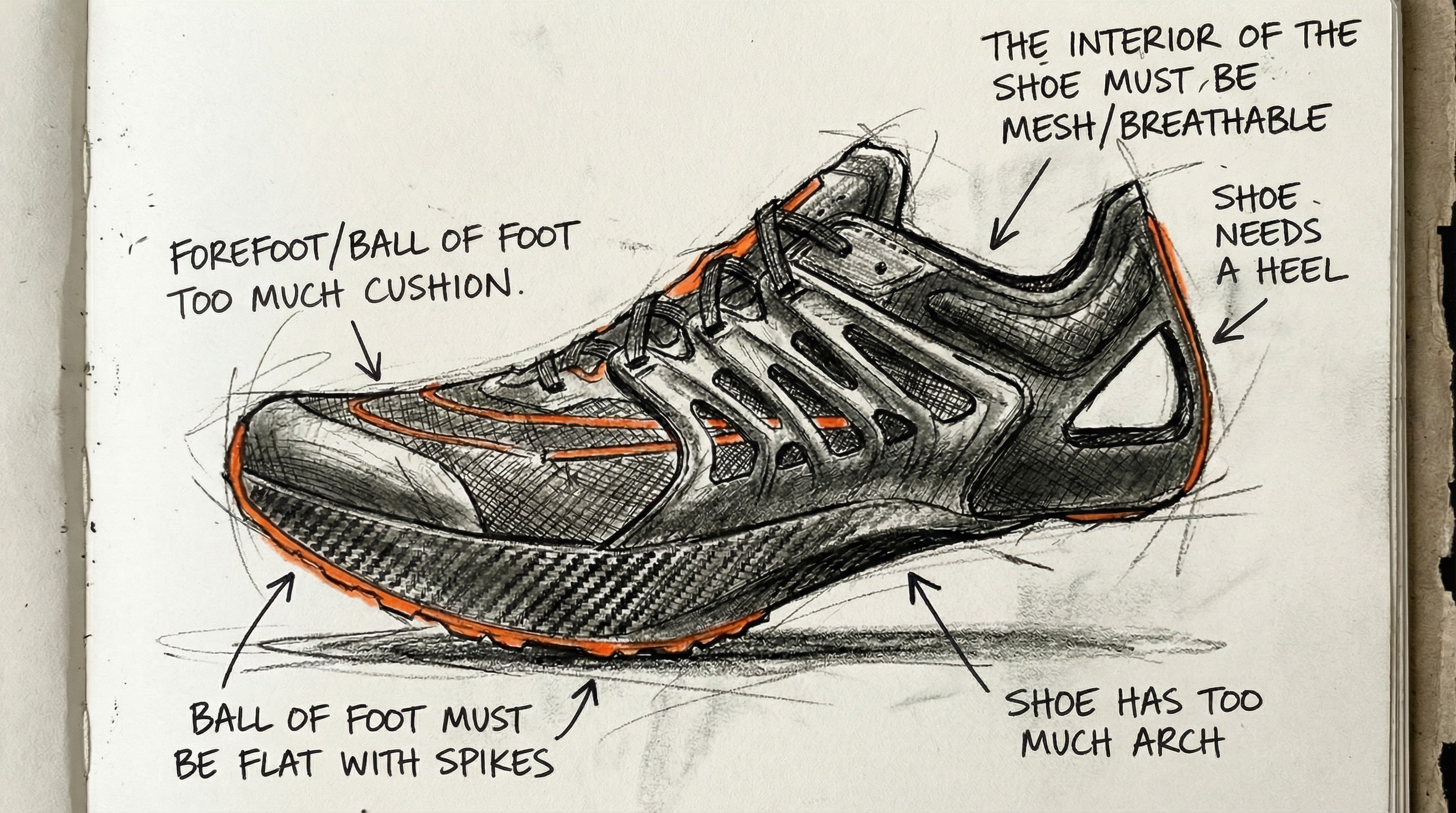
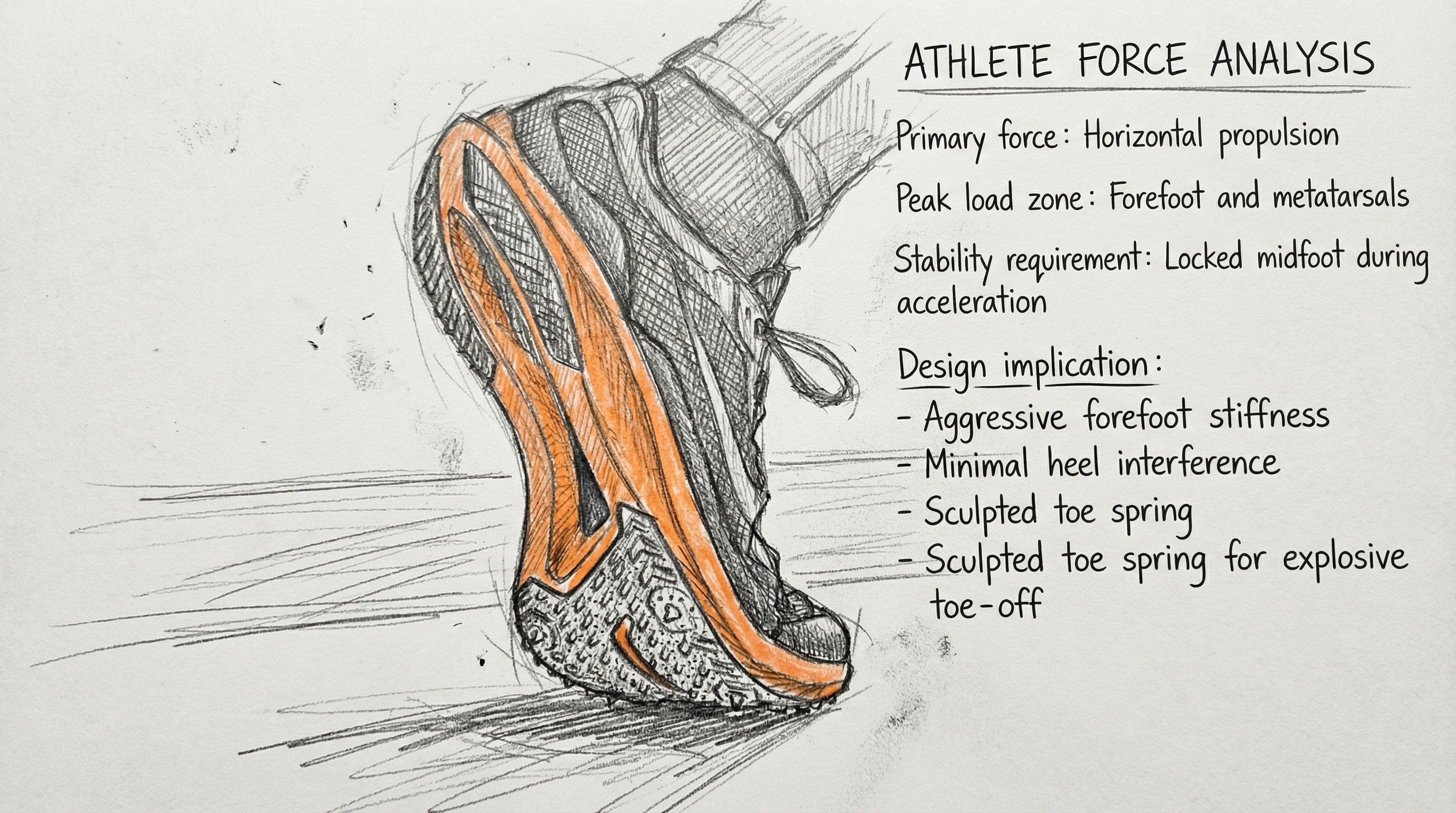
Step 2: ATHLETE FORCE ANALYSIS (human lead not AI)
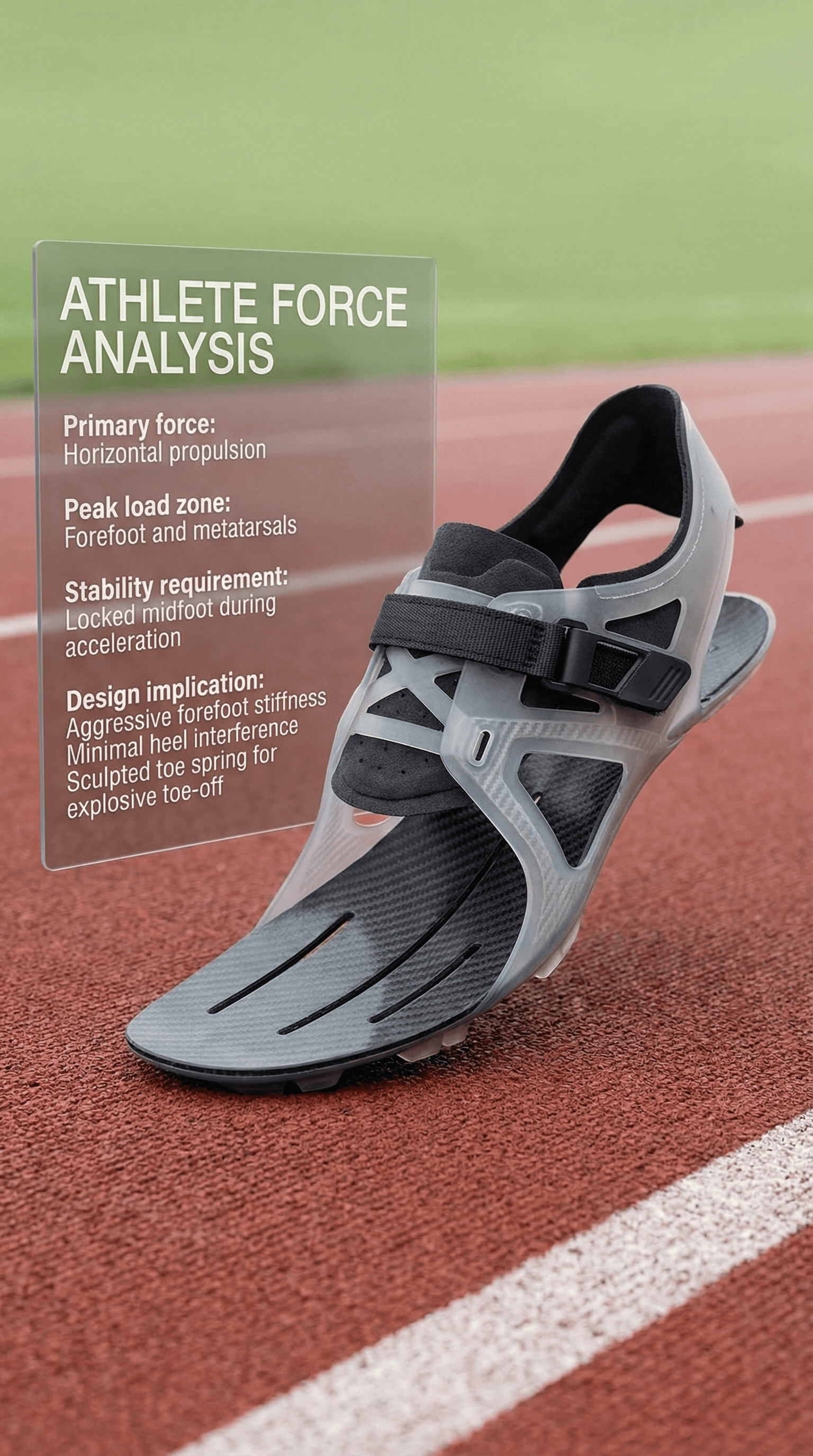
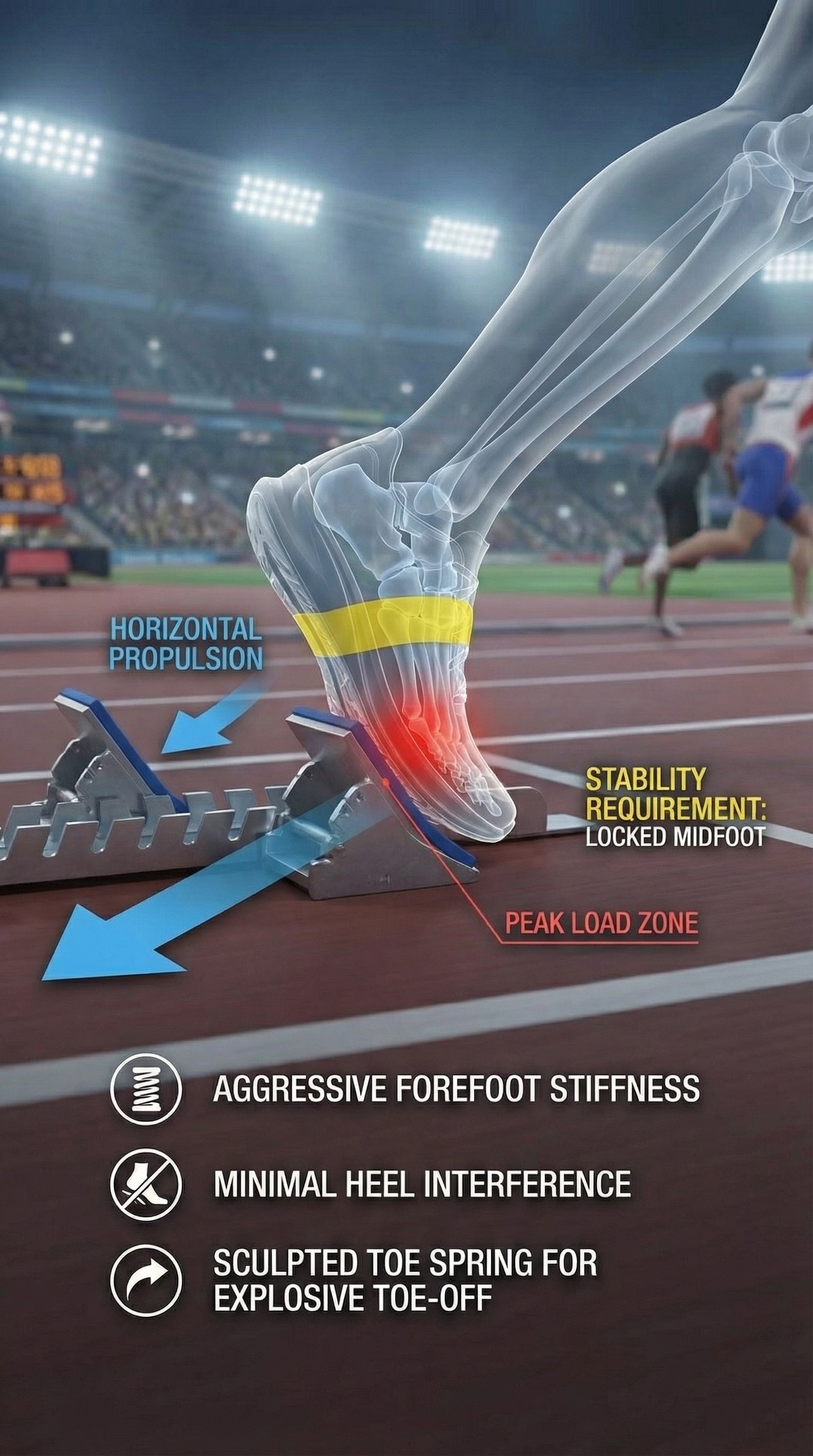
Step 2: ATHLETE FORCE ANALYSIS (human lead not AI)
Notes based on the AI imagery created above.
This part of the system is intentionally not AI. Assessment and analysis are performed by designers.
Notes based on the AI imagery created above.
This part of the system is intentionally not AI. Assessment and analysis are performed by designers.
[Design intent and logic]
Step 3: FOOTWEAR CONCEPT
Step 3: FOOTWEAR CONCEPT
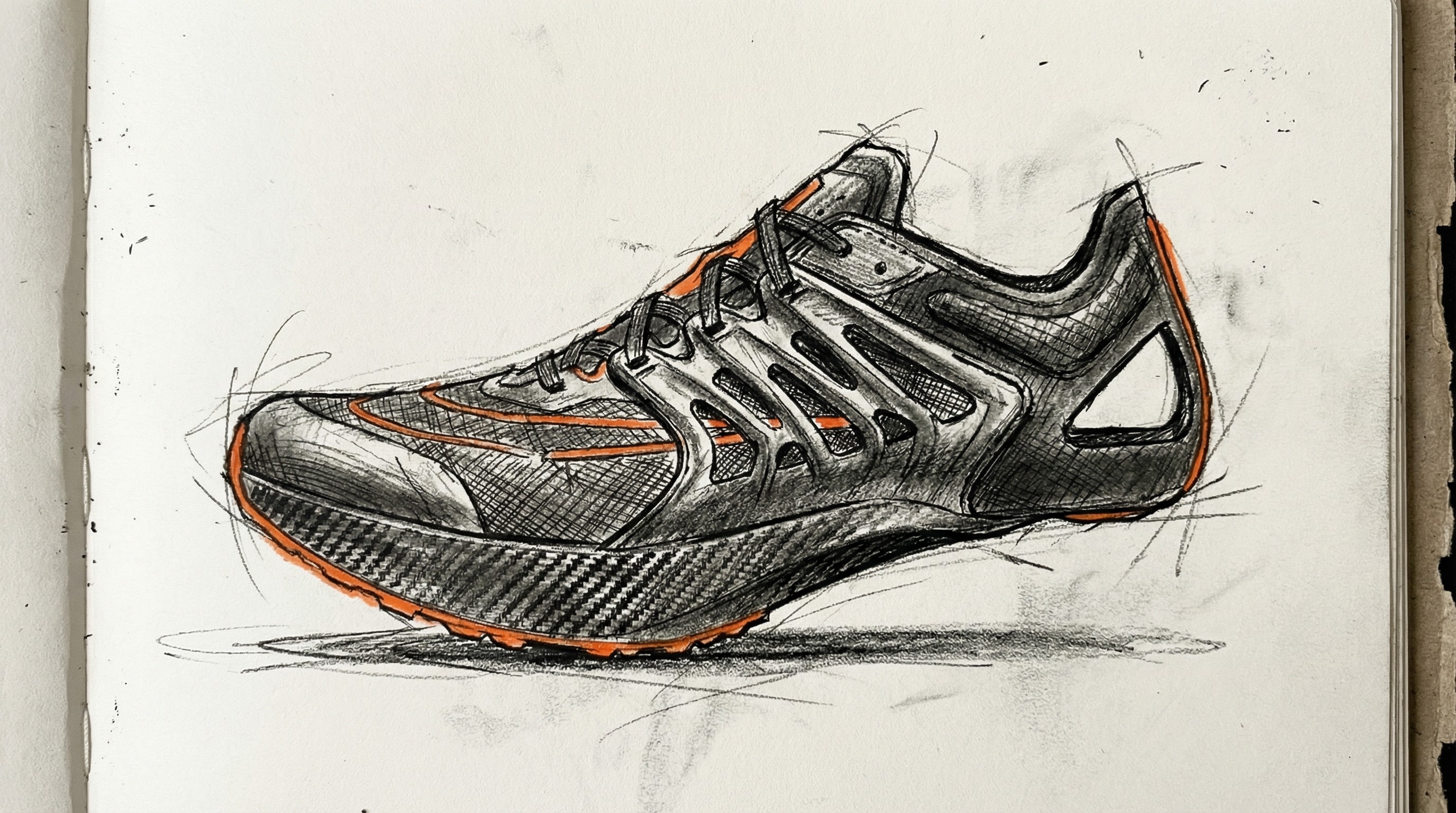
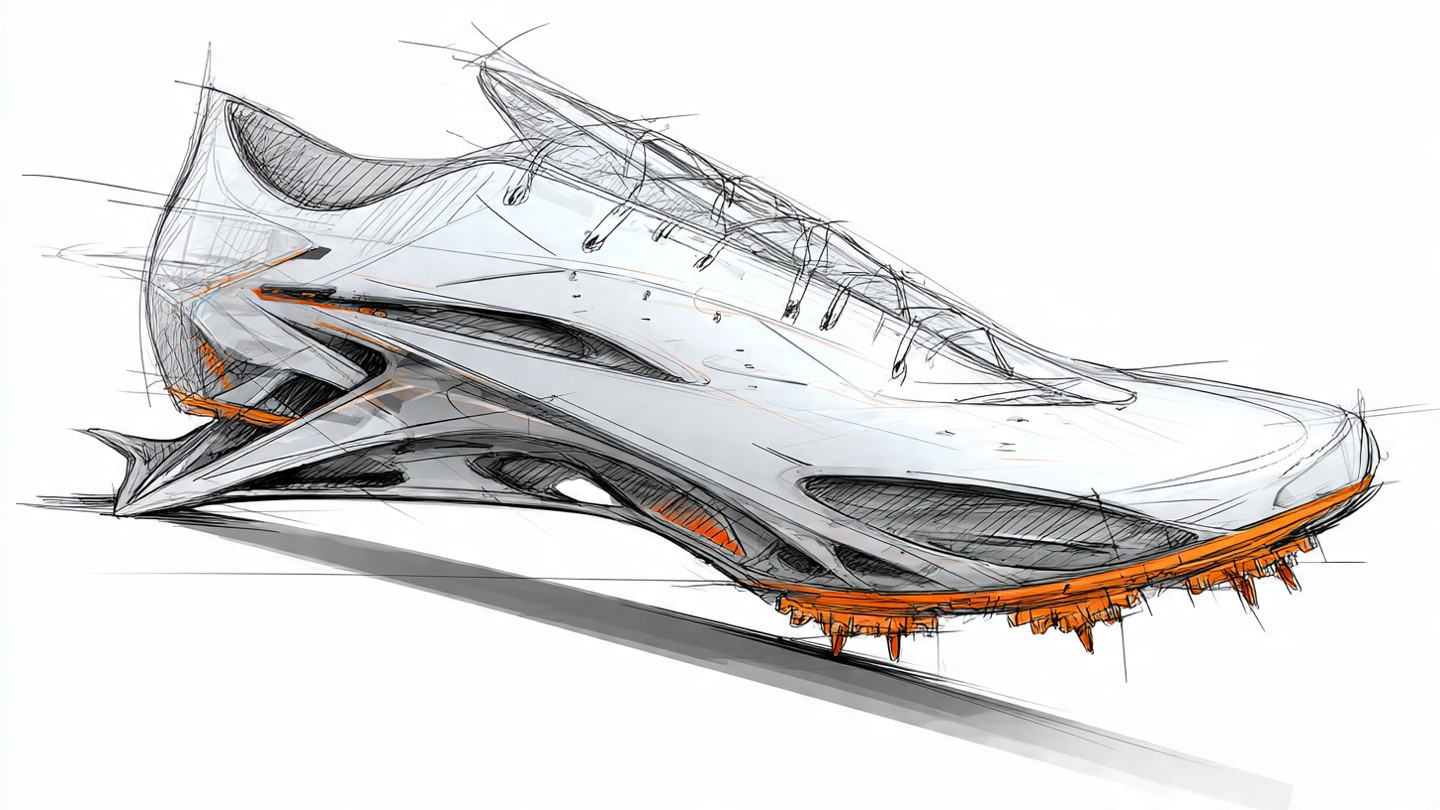
Generate the shoe as a response to the force logic. Then Human Critiques
Prompt:
Performance sprint footwear concept designed for explosive block starts. Aggressive forefoot stiffness informed by horizontal force vectors, sculptural carbon plate implied through form language, elevated toe spring, narrow locked midfoot, minimal stabilized heel. No decorative elements, no branding, no lifestyle cues. Form follows performance.
Generate the shoe as a response to the force logic. Then Human Critiques
Prompt:
Performance sprint footwear concept designed for explosive block starts. Aggressive forefoot stiffness informed by horizontal force vectors, sculptural carbon plate implied through form language, elevated toe spring, narrow locked midfoot, minimal stabilized heel. No decorative elements, no branding, no lifestyle cues. Form follows performance.
Step 4: Designer-Controlled Variations
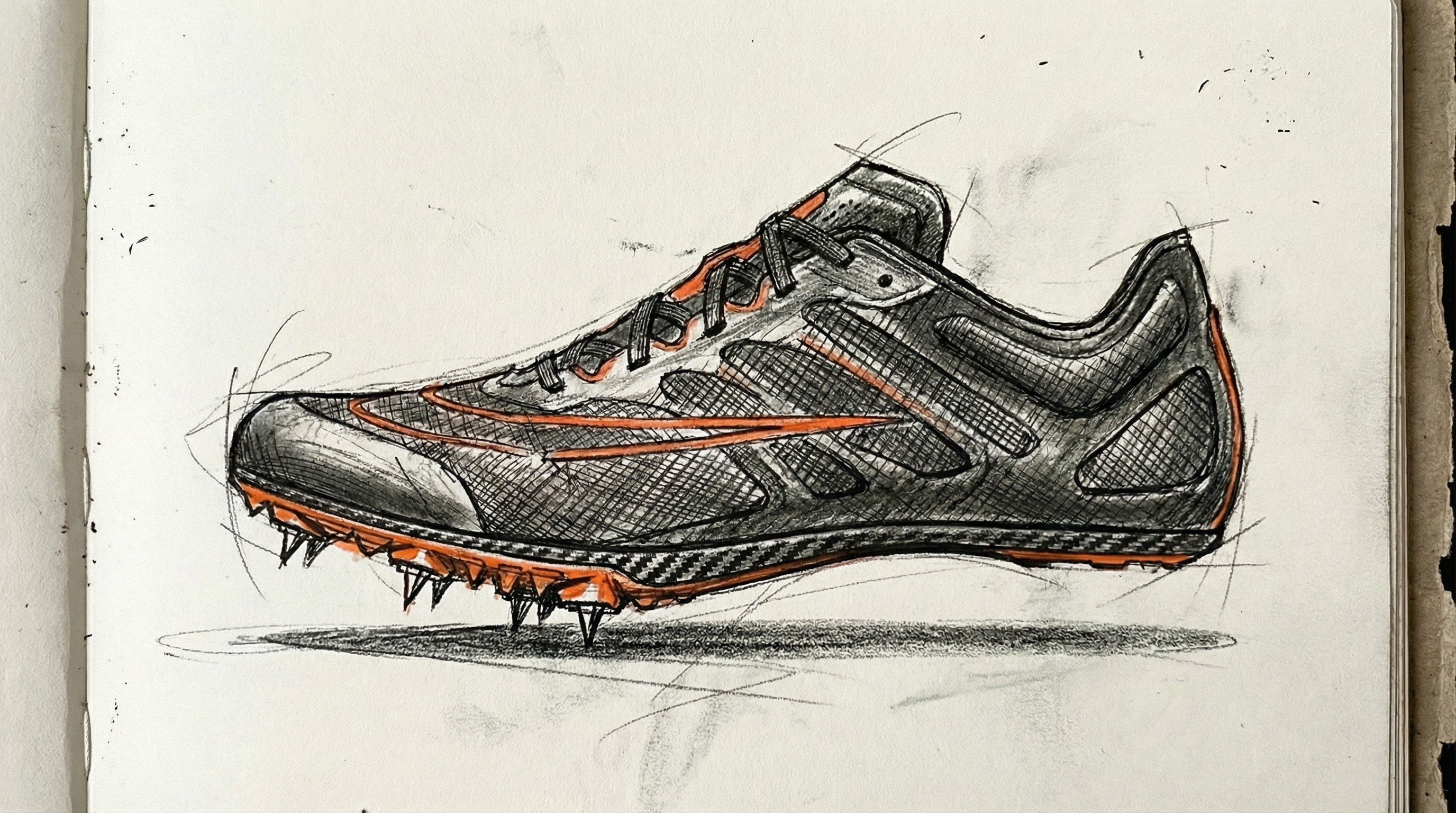
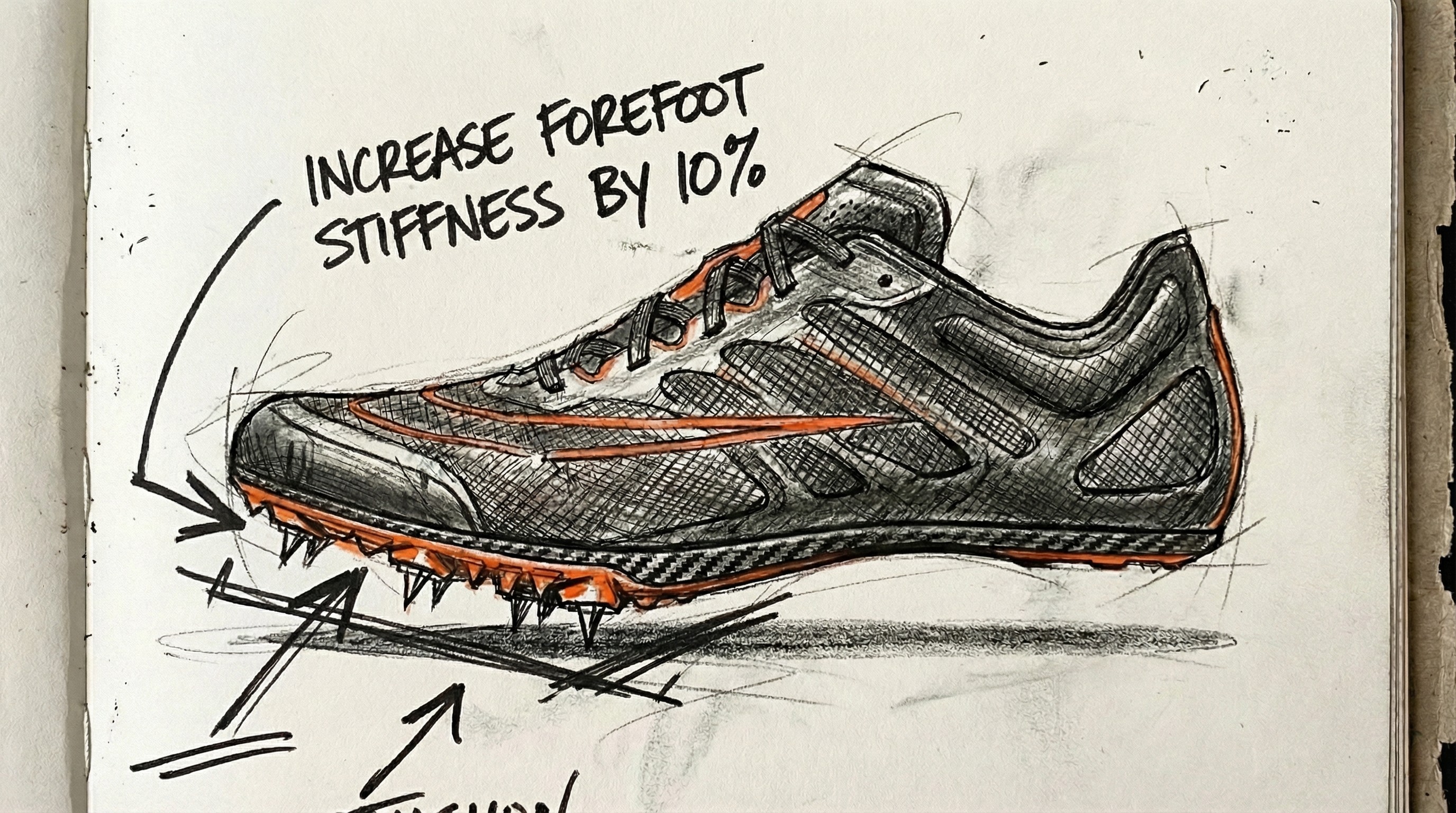
Step 4: Designer-Controlled Variations
highlighting tool behavior. These workflows are built in WeavyAI or ComfyUI for precise control over structure, constraints, and iteration. Custom LoRA models encode footwear-specific form language, including sole geometry, toe spring behavior, and performance proportions. This keeps outputs grounded in functional design while allowing quick variation that maintains brand consistency.
tweak ONE variable each time:
Forefoot stiffness +/-
Heel width +/-
Toe spring angle +/-
Midsole thickness +/-
Note: LoRA fine-tuning ensures variations explore structure, not style
highlighting tool behavior. These workflows are built in WeavyAI or ComfyUI for precise control over structure, constraints, and iteration. Custom LoRA models encode footwear-specific form language, including sole geometry, toe spring behavior, and performance proportions. This keeps outputs grounded in functional design while allowing quick variation that maintains brand consistency.
tweak ONE variable each time:
Forefoot stiffness +/-
Heel width +/-
Toe spring angle +/-
Midsole thickness +/-
Note: LoRA fine-tuning ensures variations explore structure, not style
VARIABLE INPUT #1
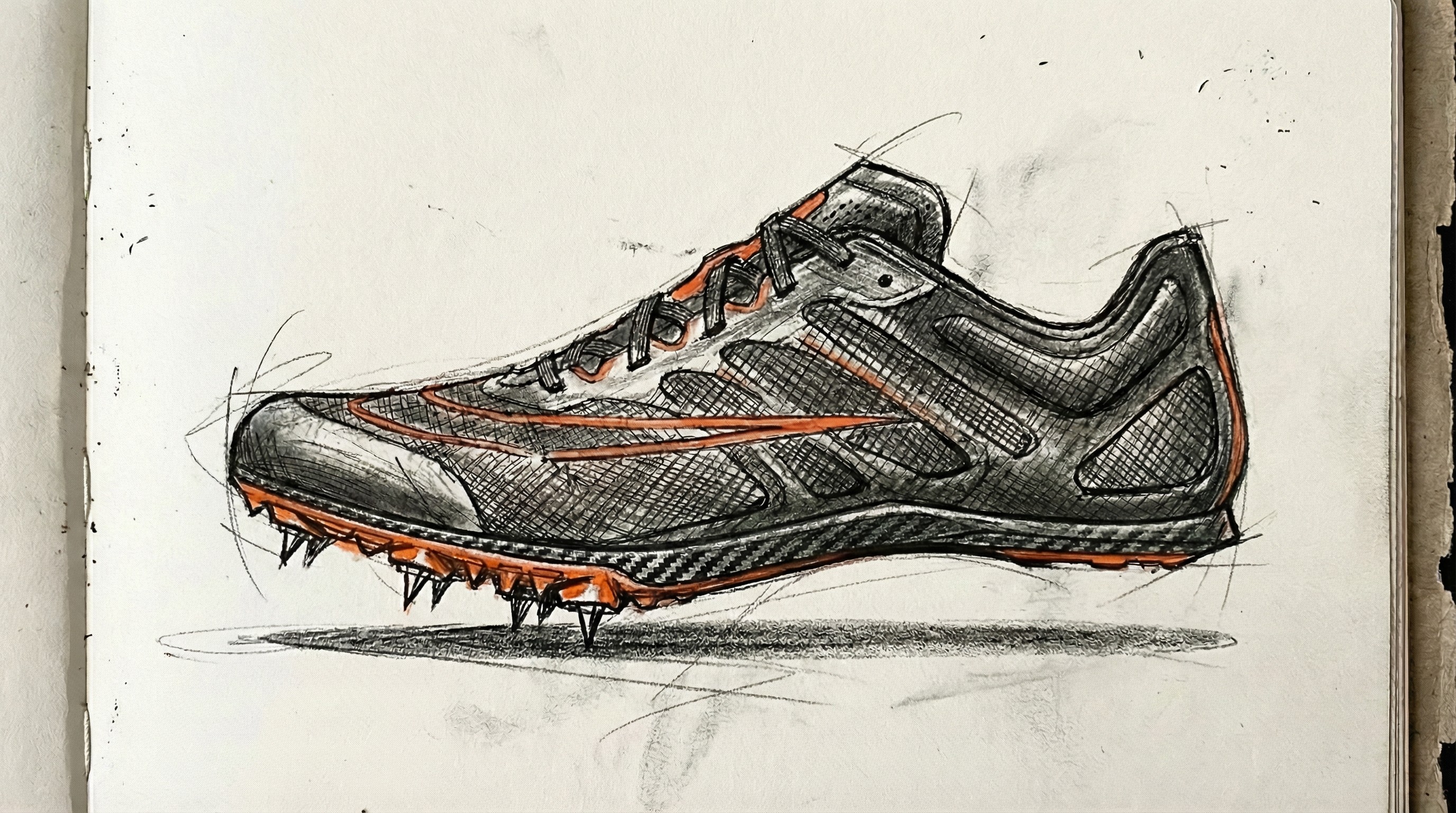
RESULT
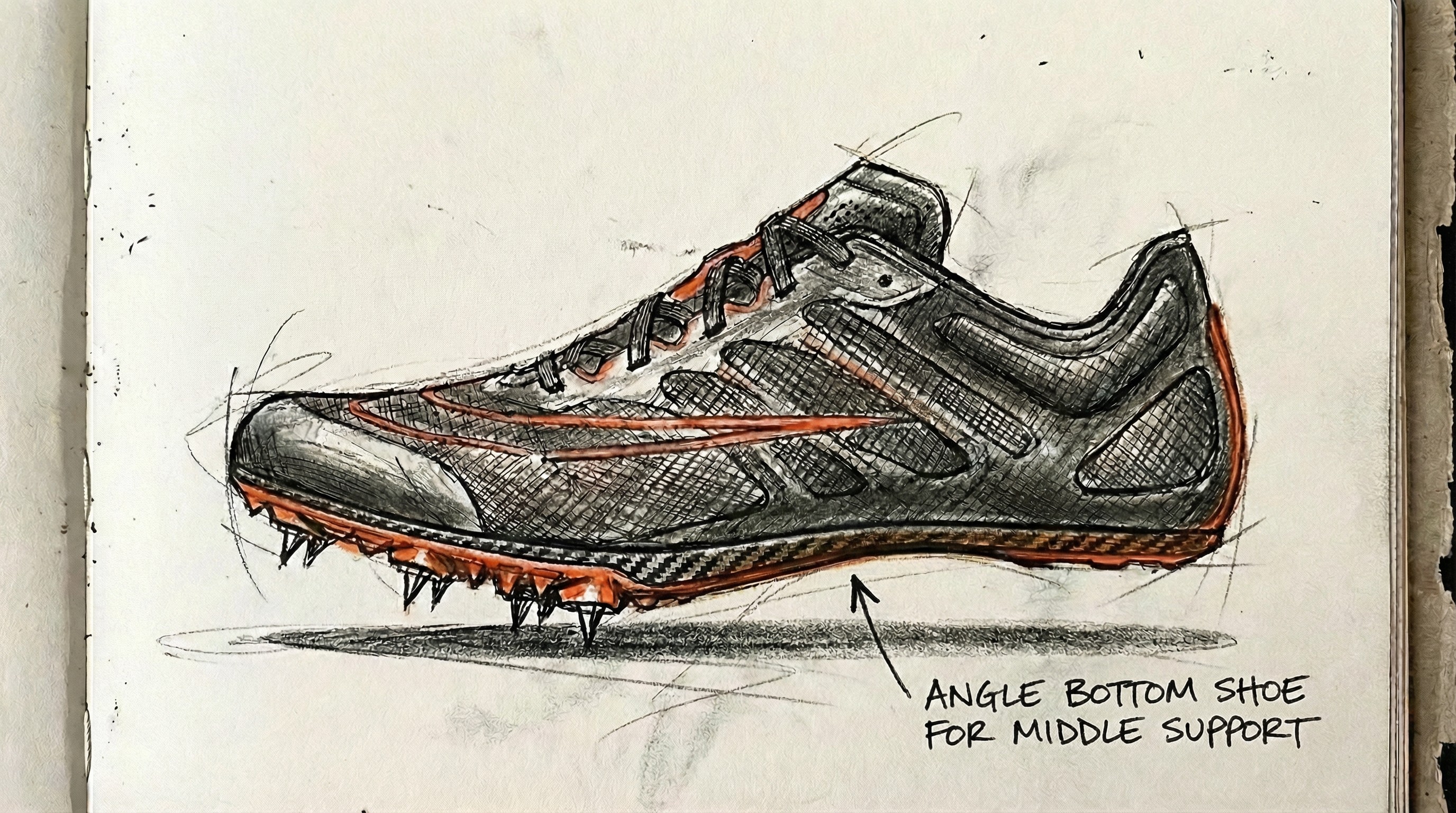
VARIABLE INPUT #2
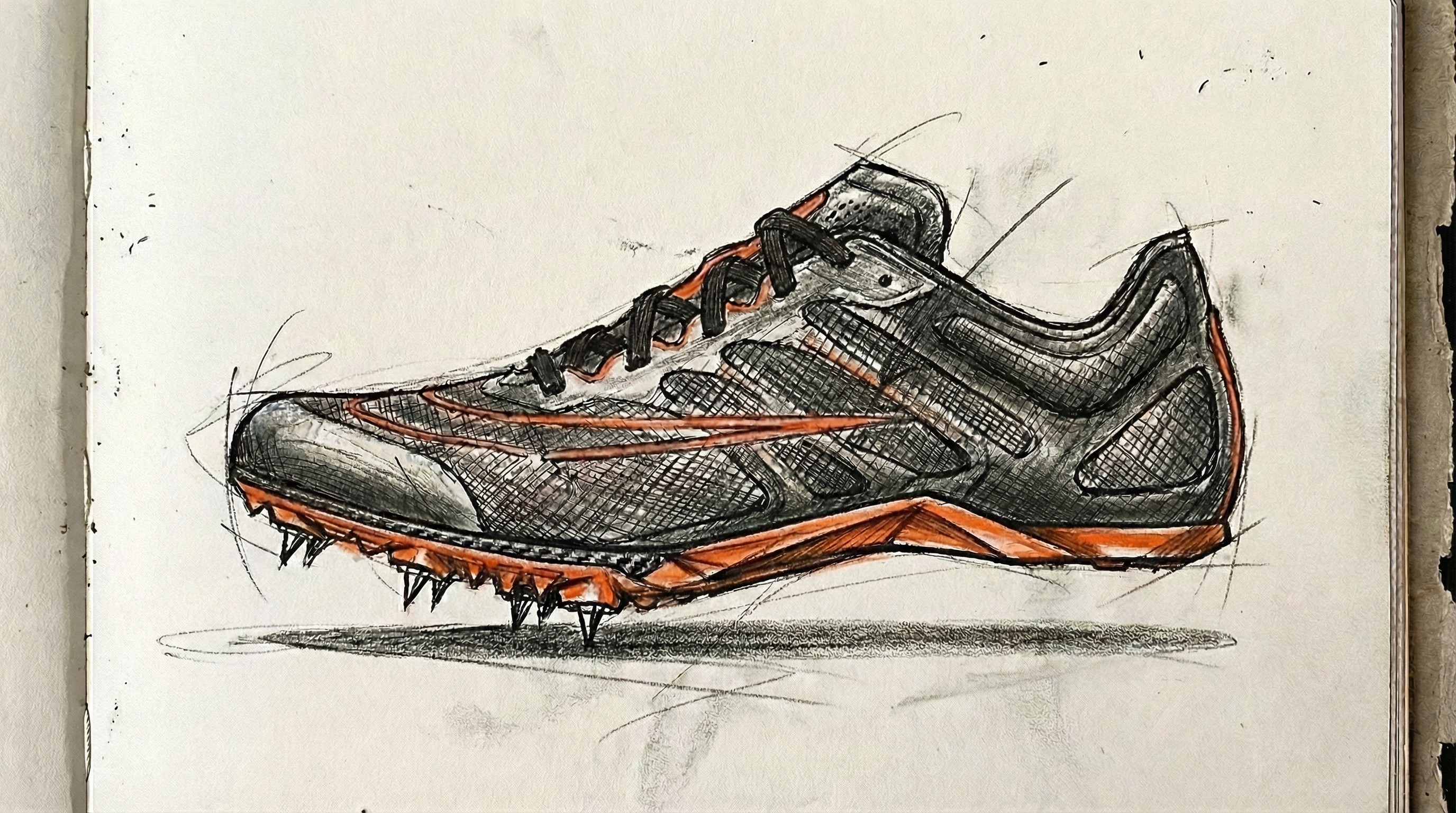
RESULT #2
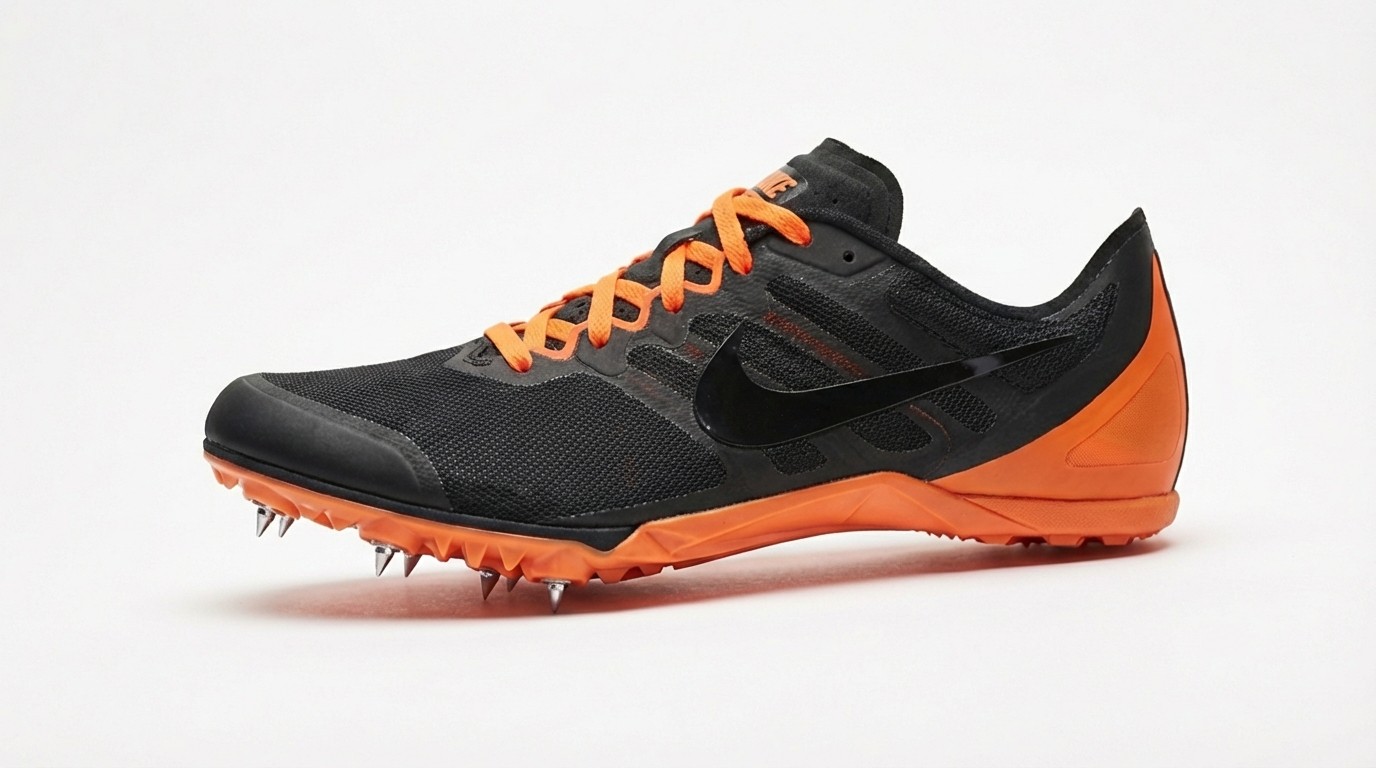
Step 5: Designer-Approved final Output
Step 5: Designer-Approved final Output
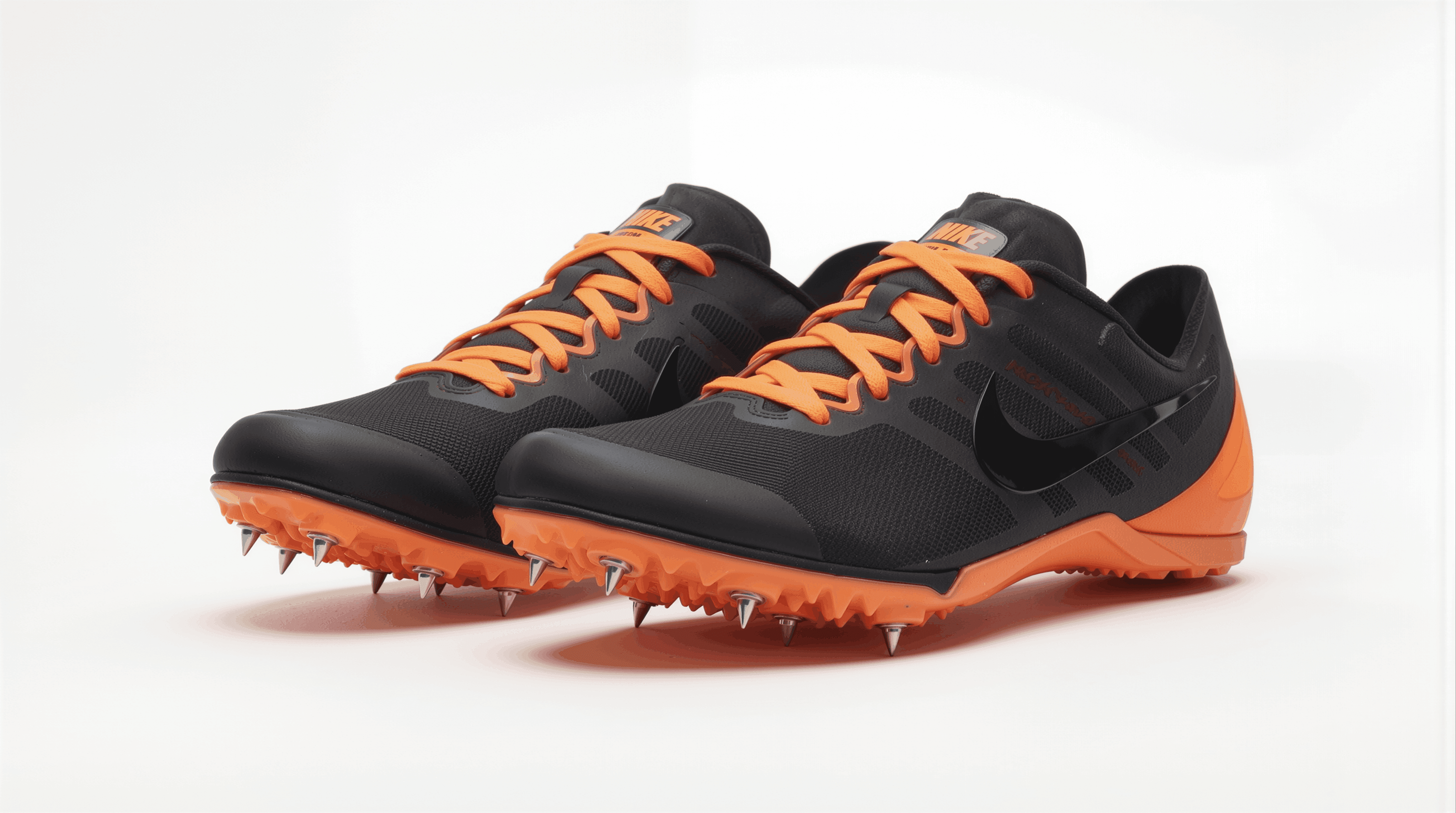
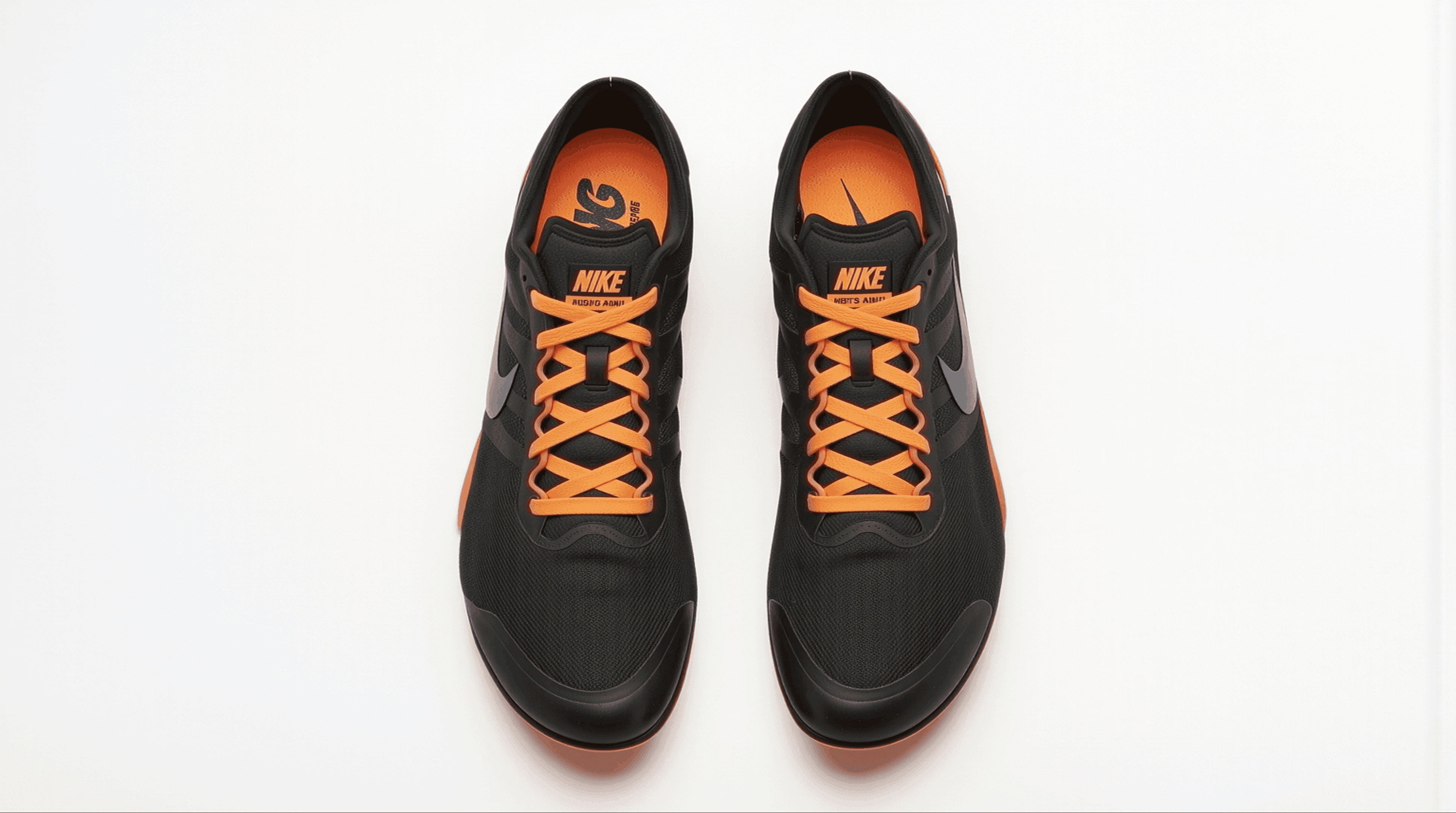
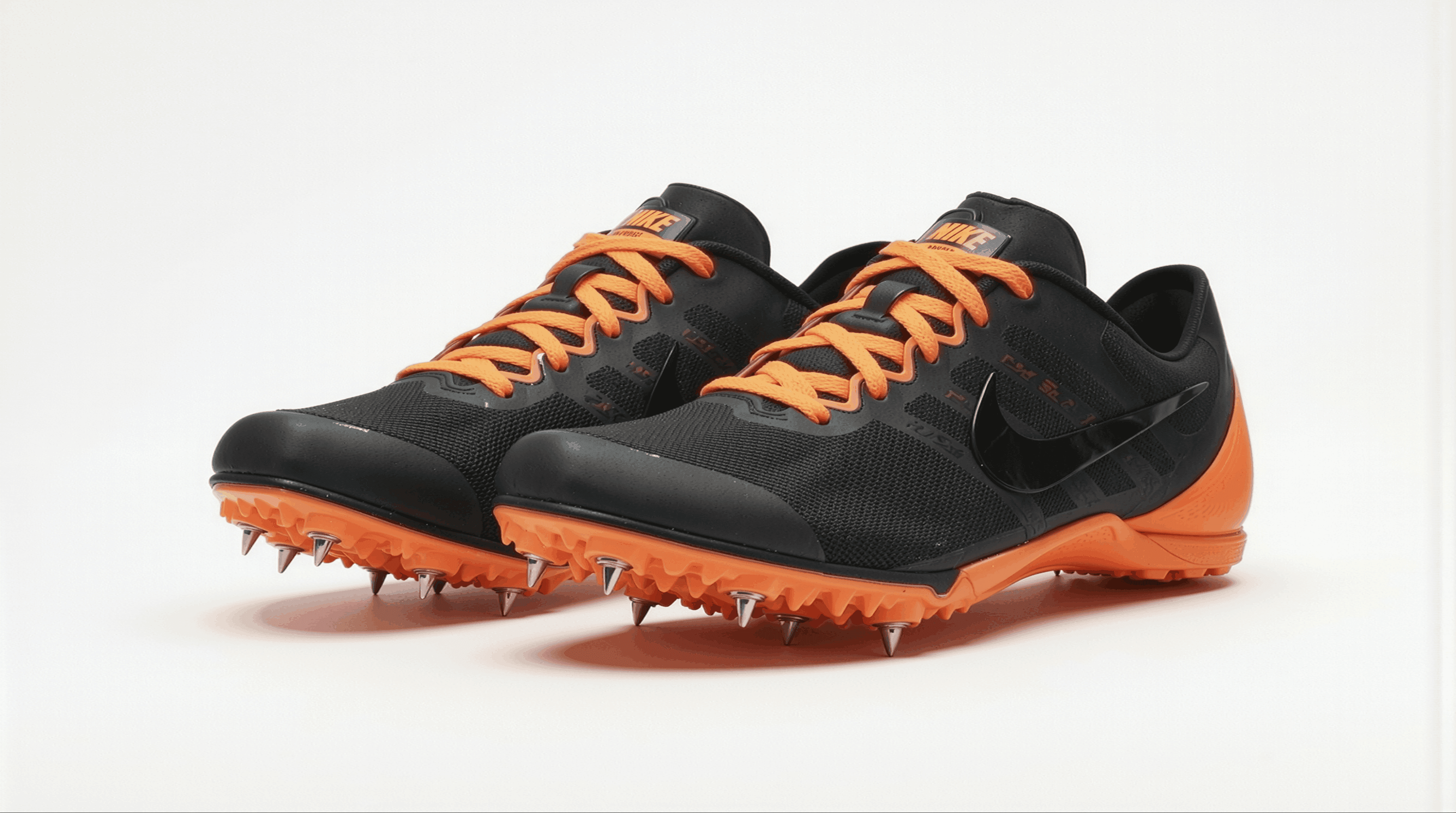
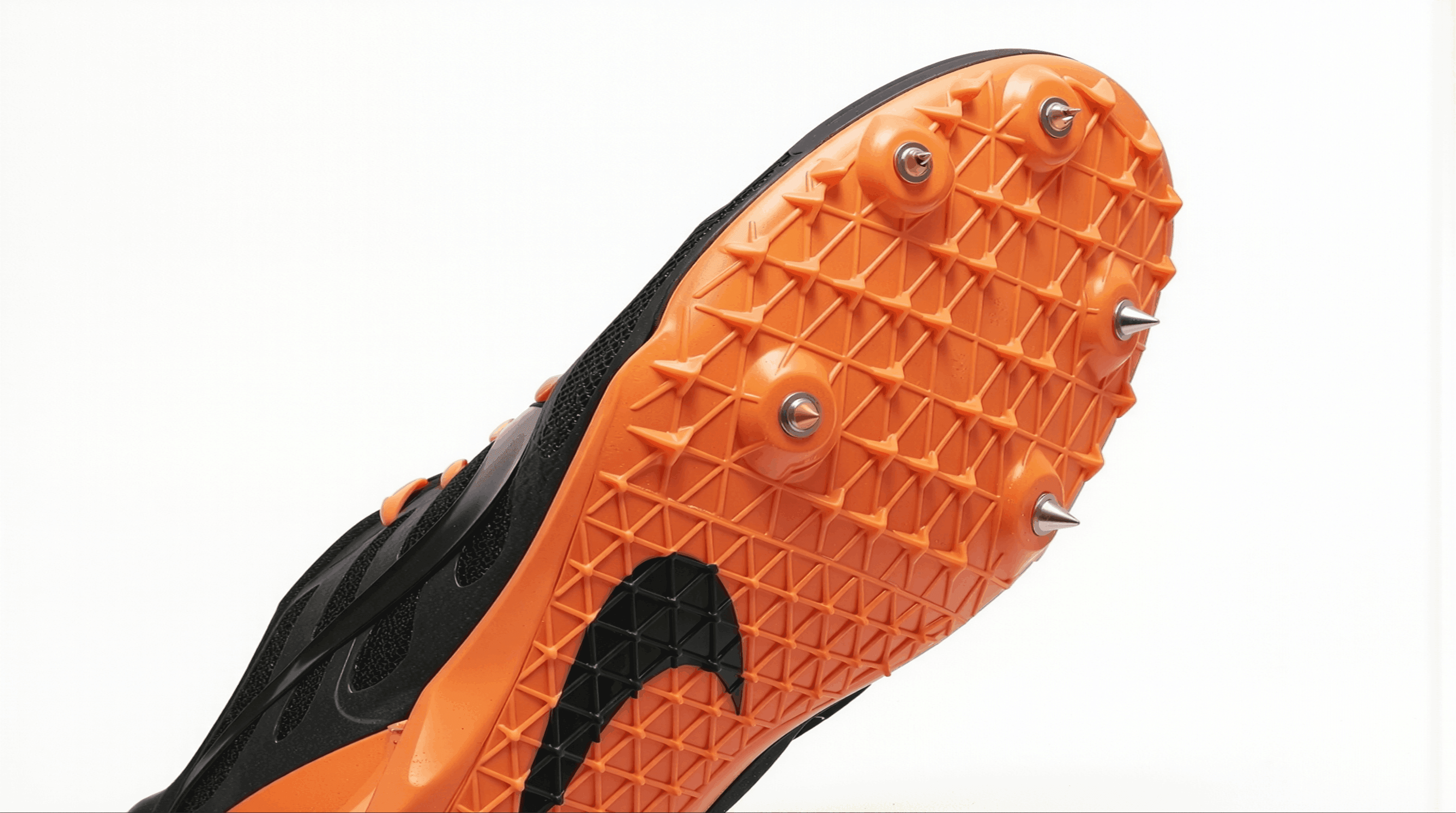
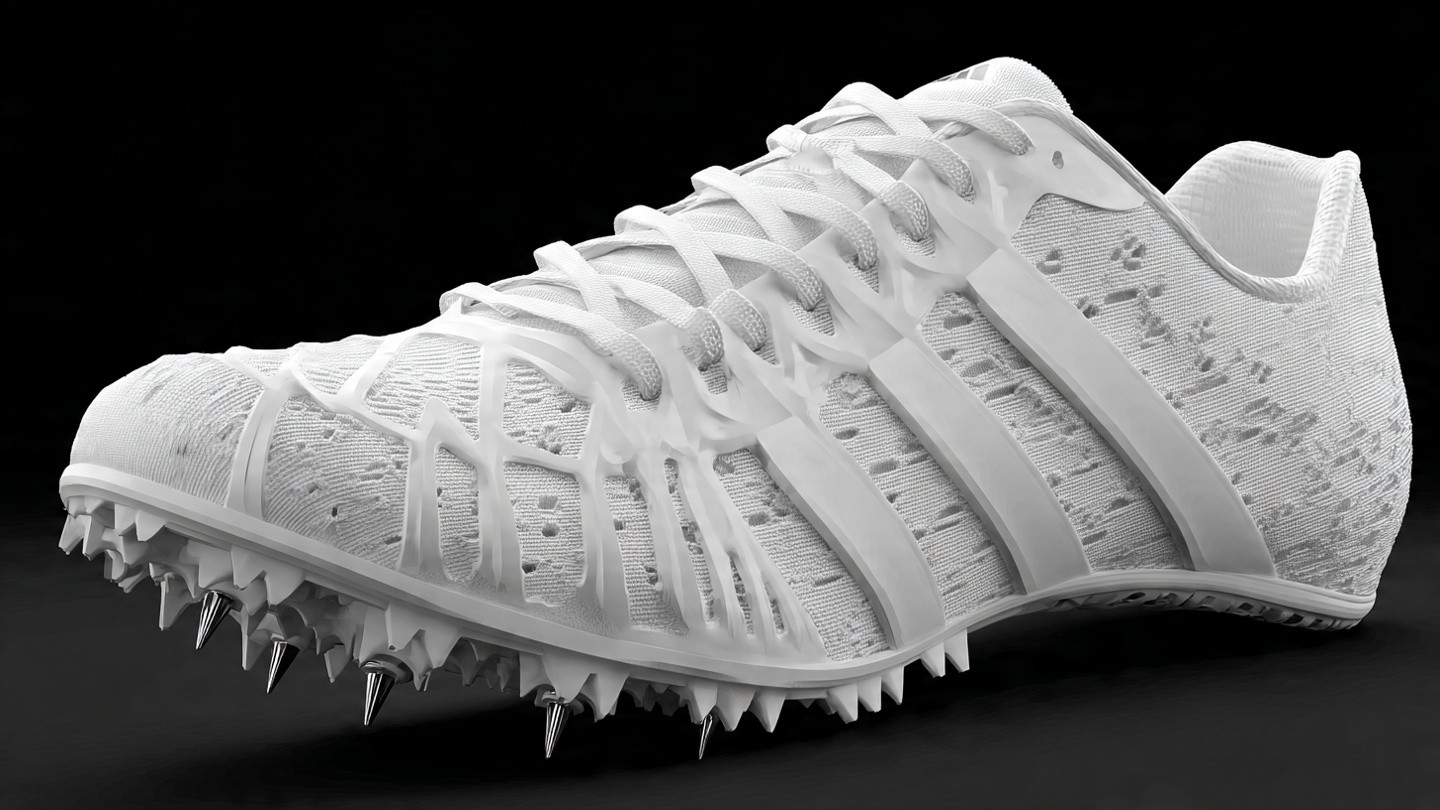
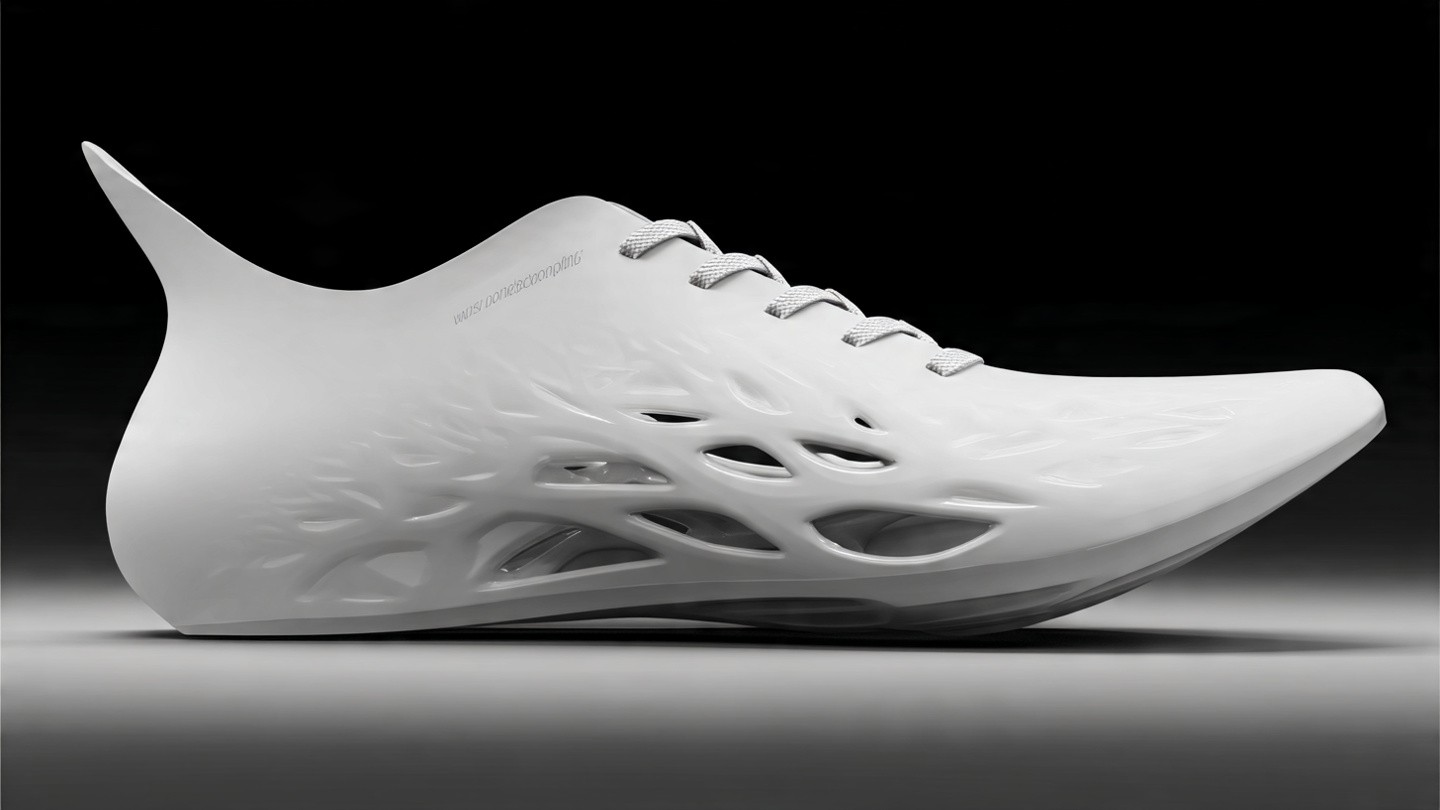
AFTER MULTIPLE VARIATIONS WE GET A FINAL SHoE DESIGN
AFTER MULTIPLE VARIATIONS WE GET A FINAL SHoE DESIGN
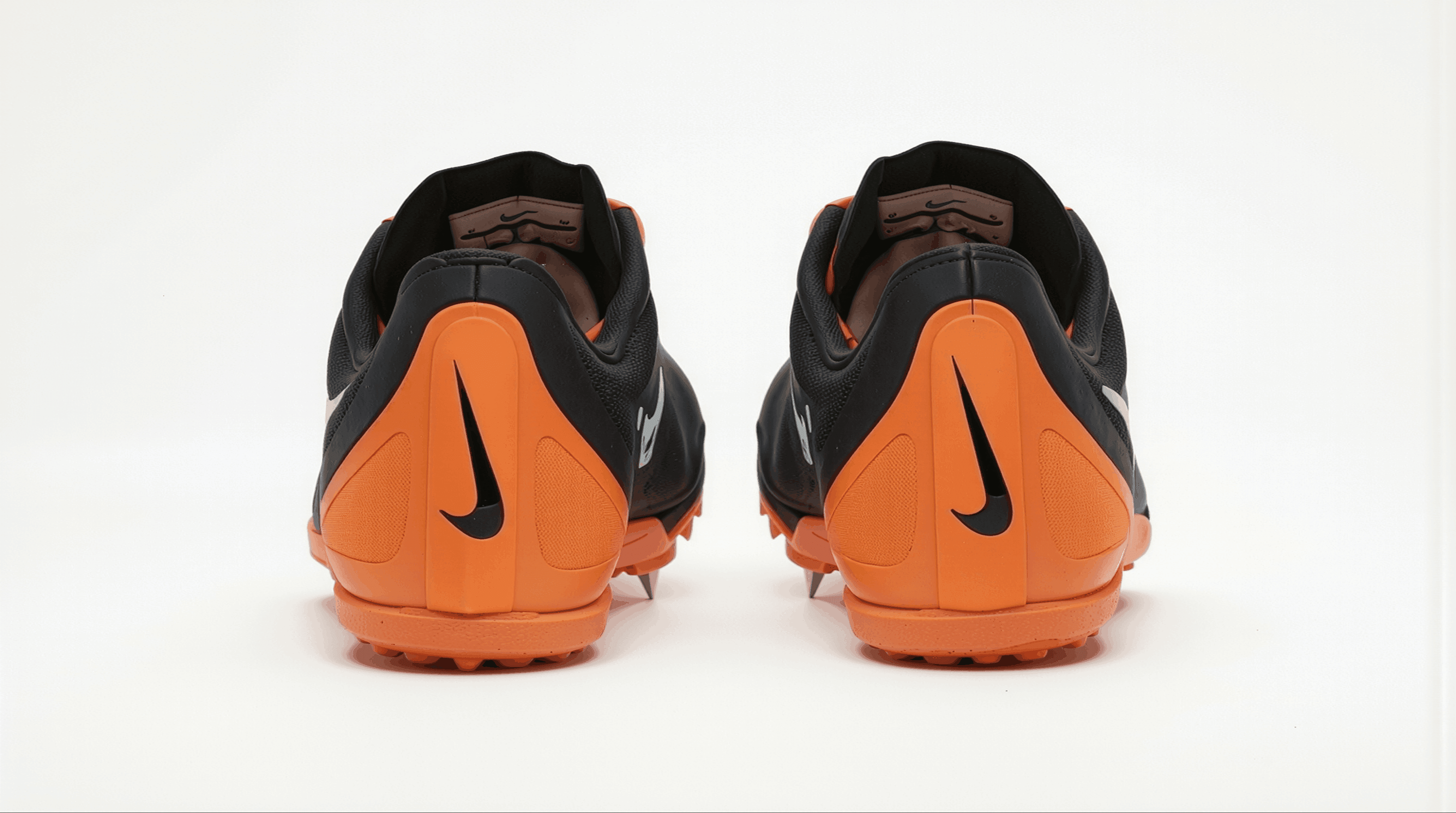
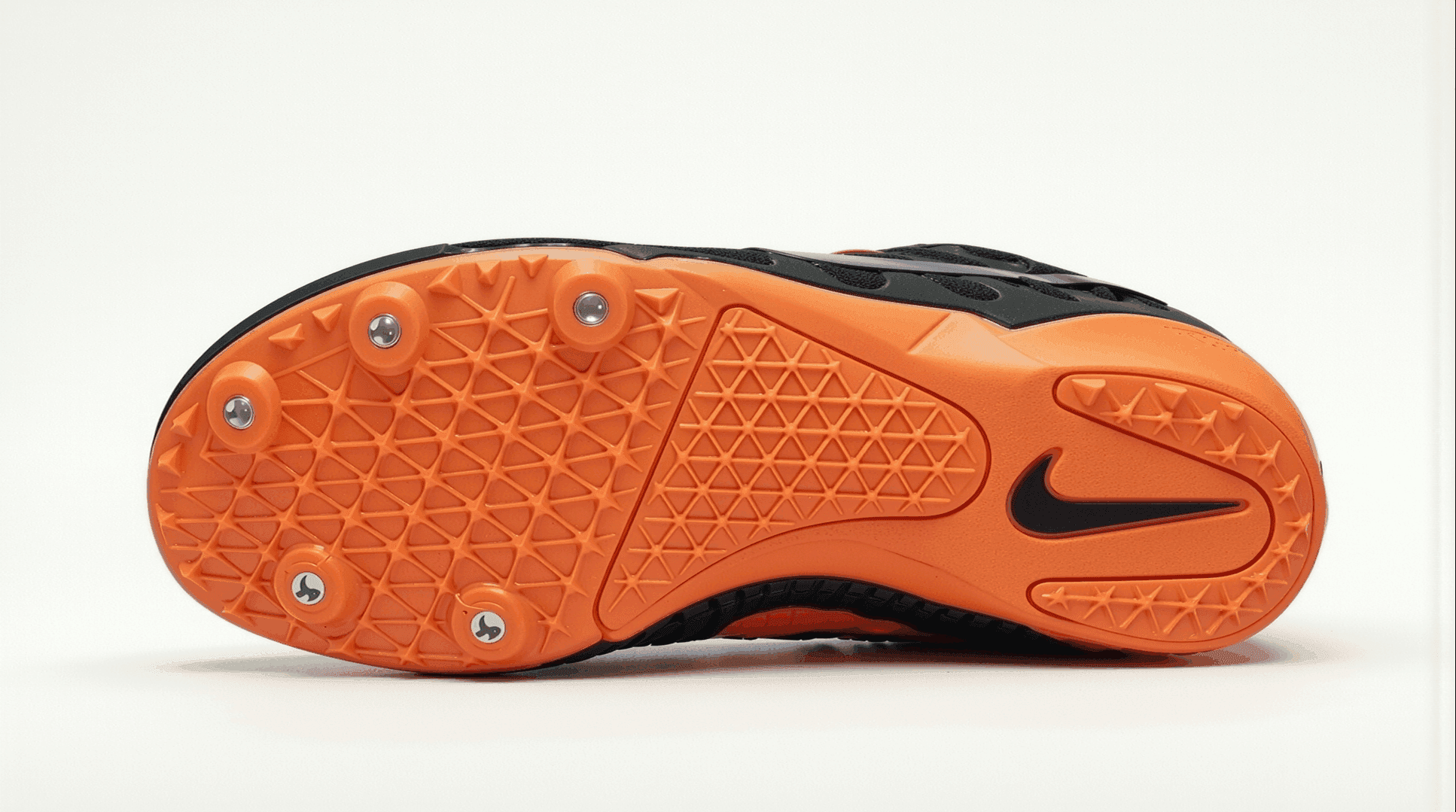
Step 6: PAIR shoe with athlete
Step 6: PAIR shoe with athlete
Athlete Image → Shoe Image
Footwear geometry driven by peak horizontal force during block exit.
Athlete Image → Shoe Image
Footwear geometry driven by peak horizontal force during block exit.
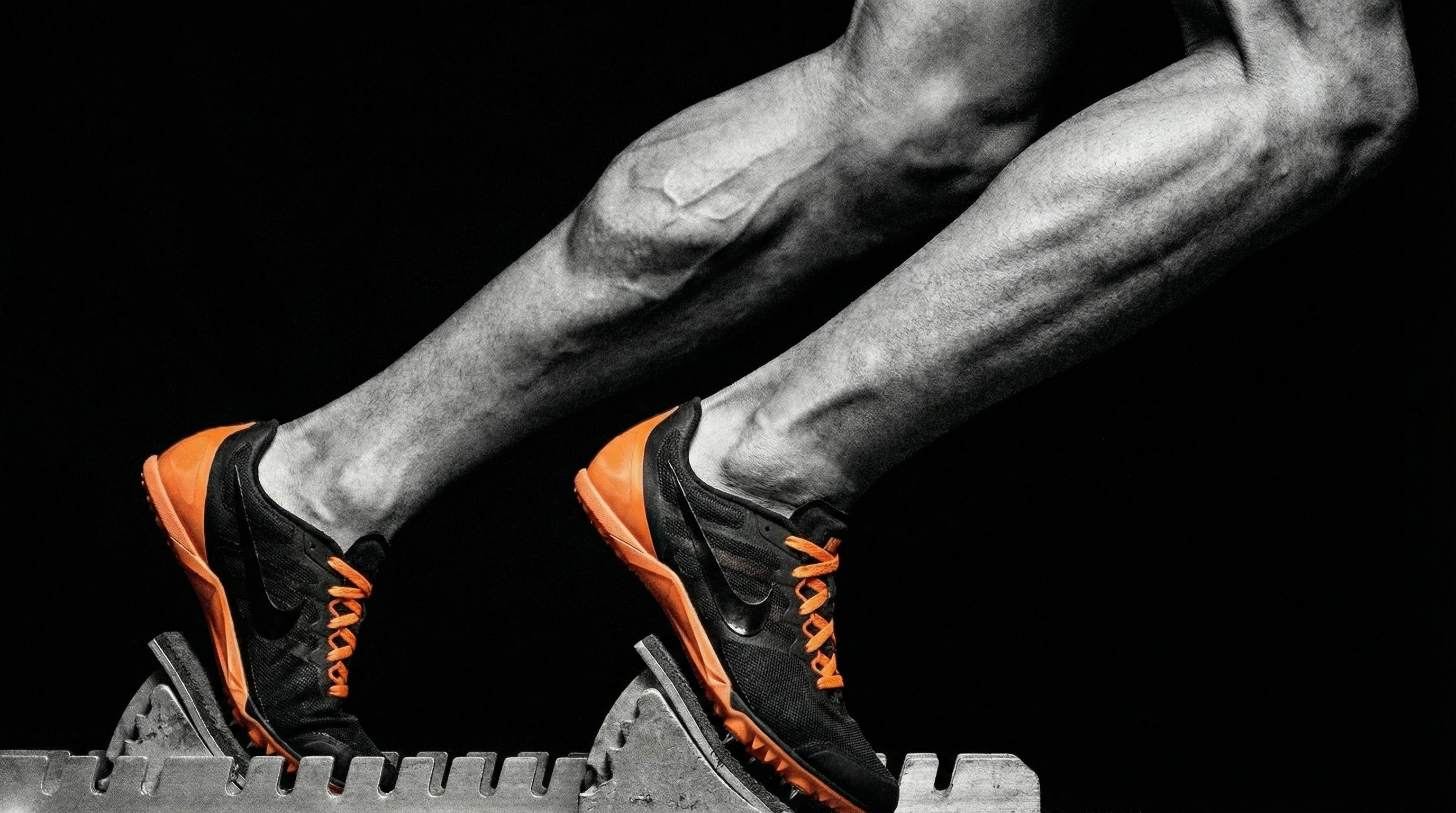
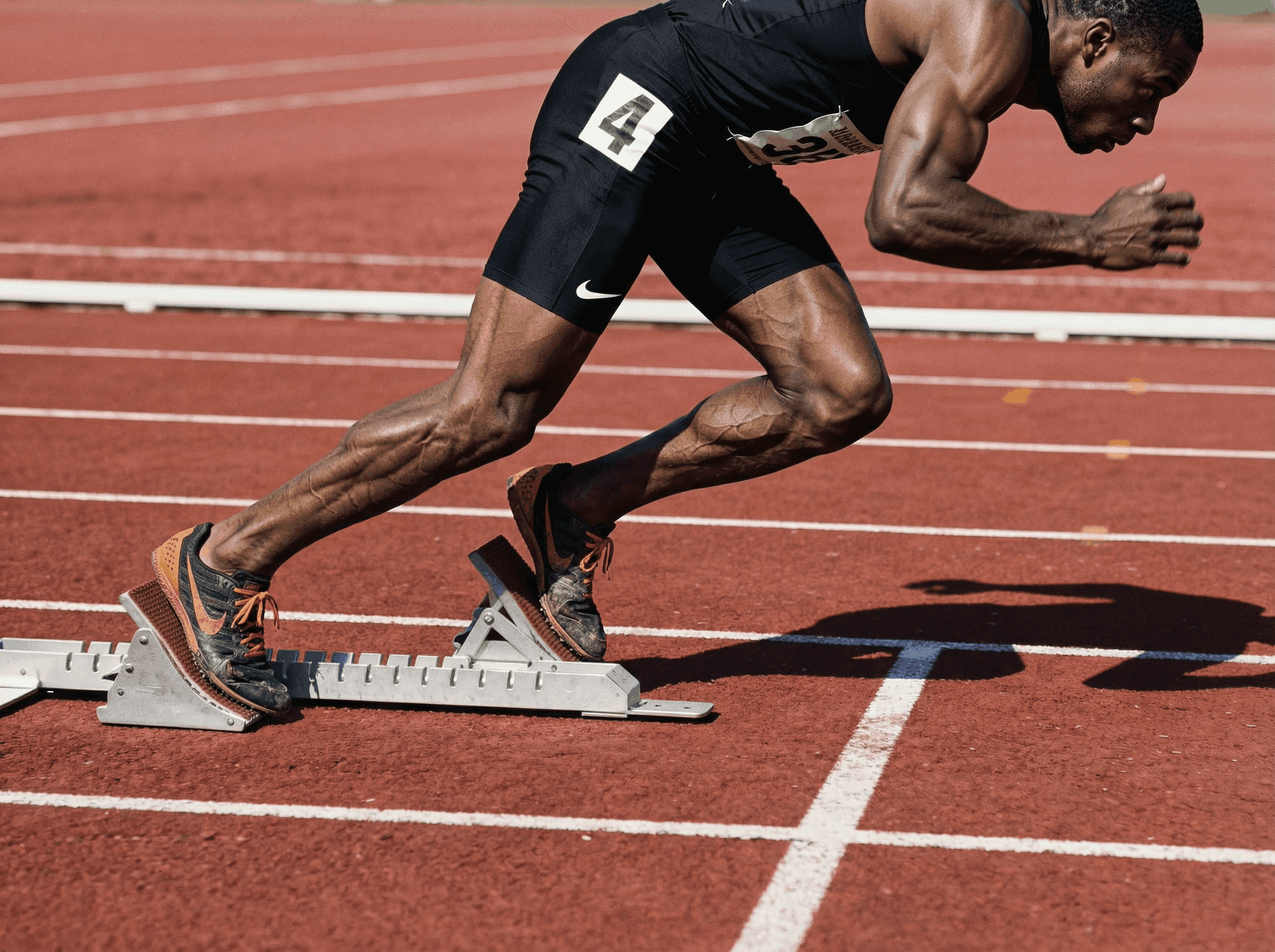
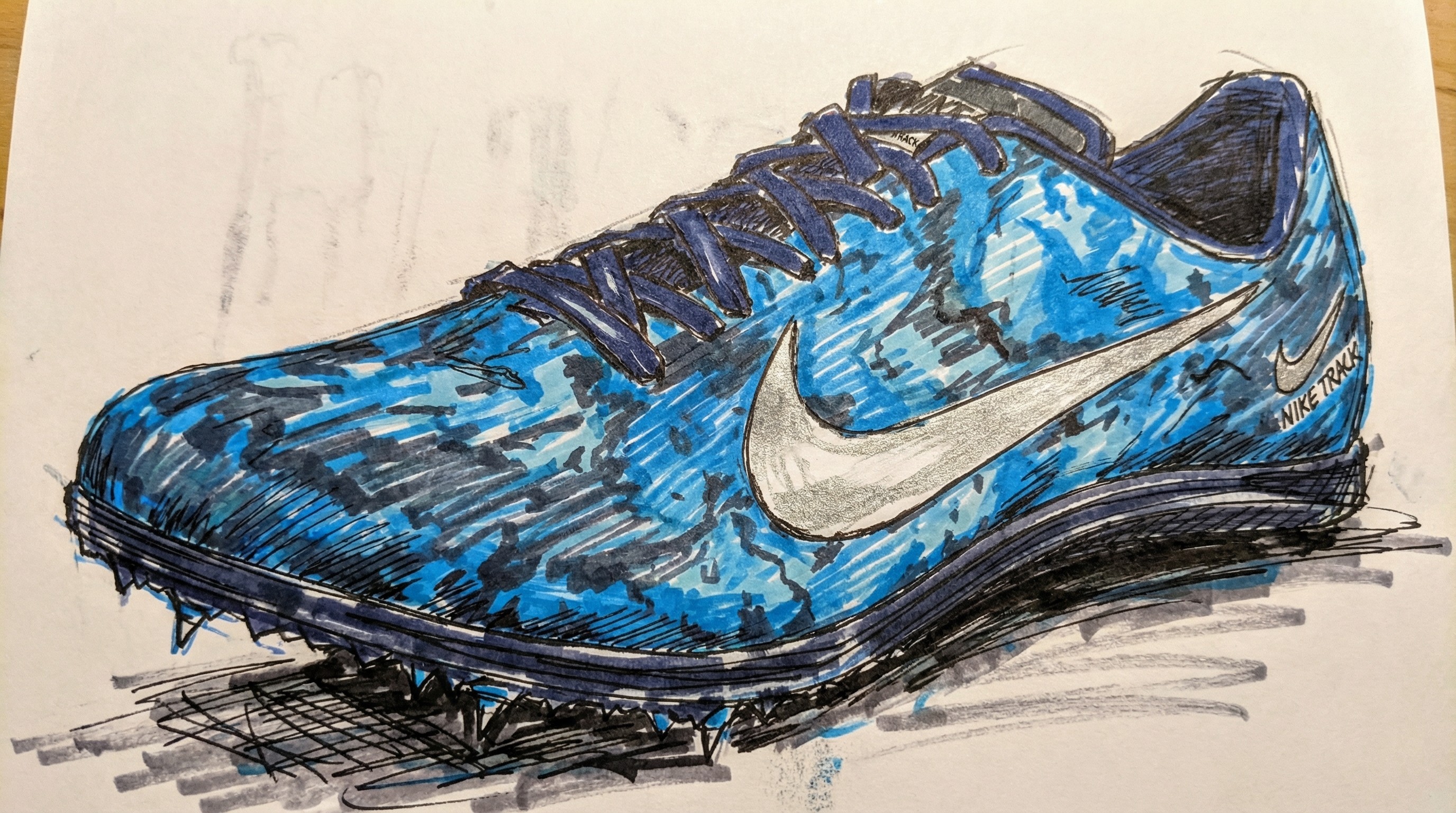
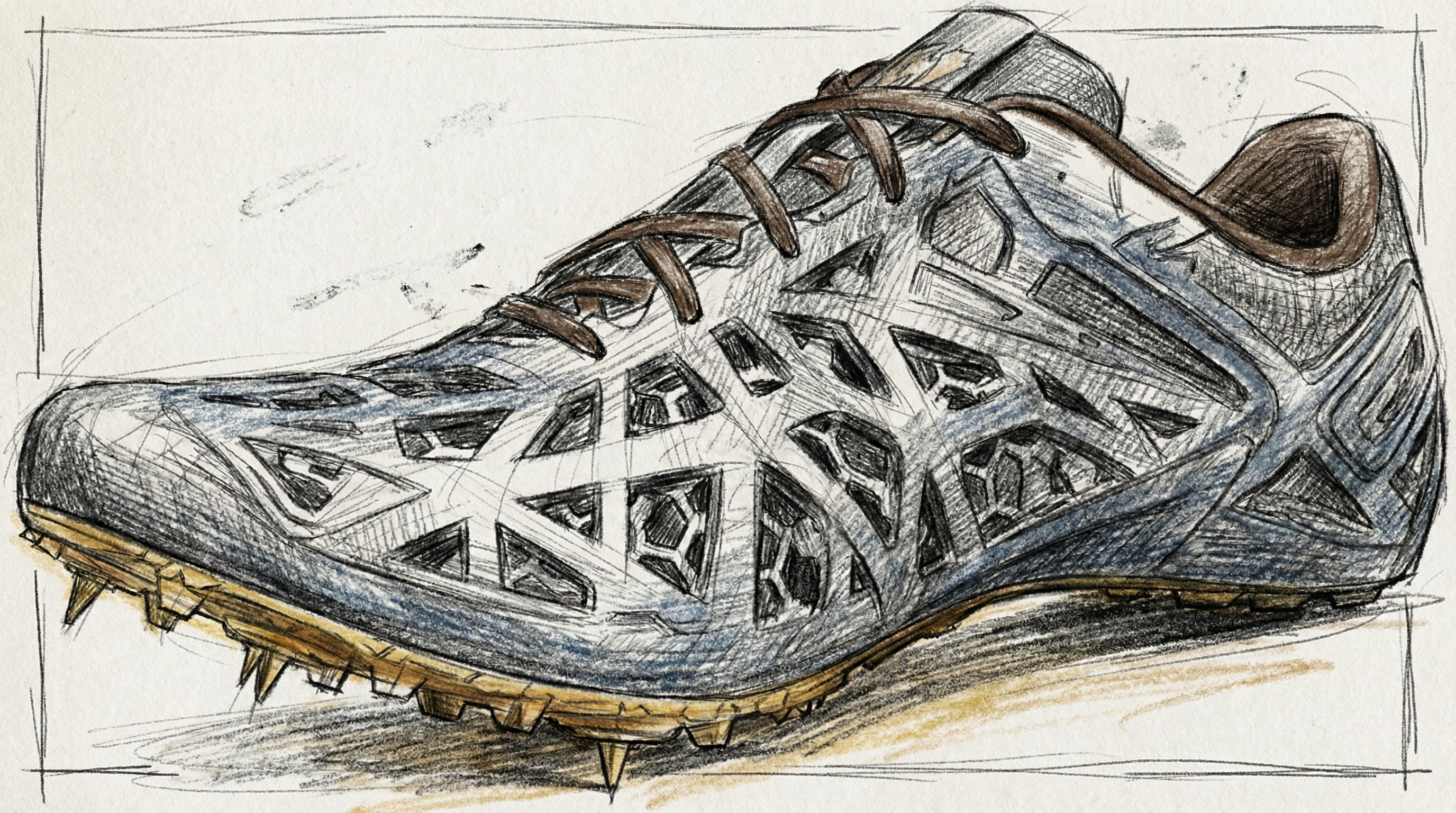
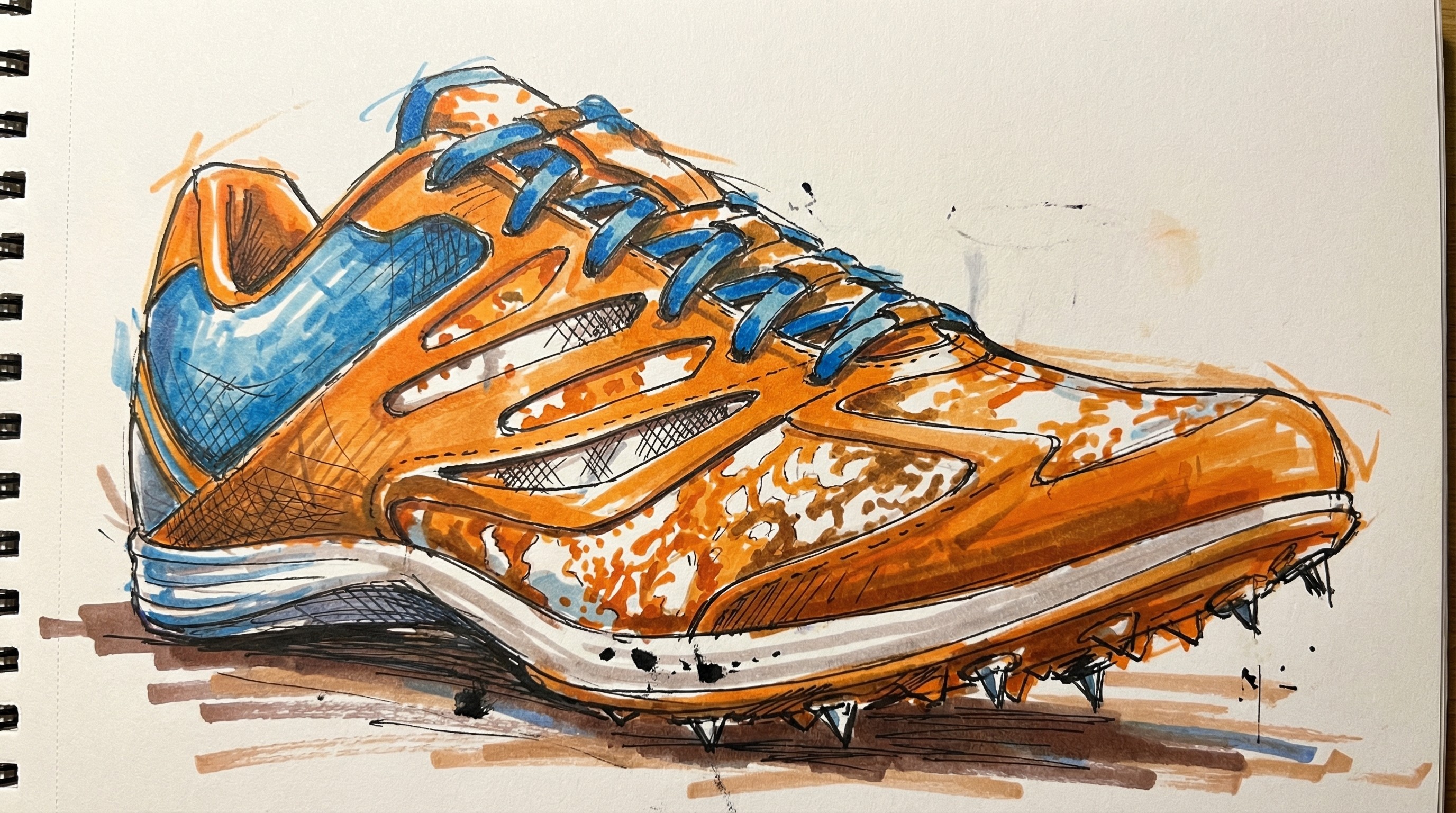
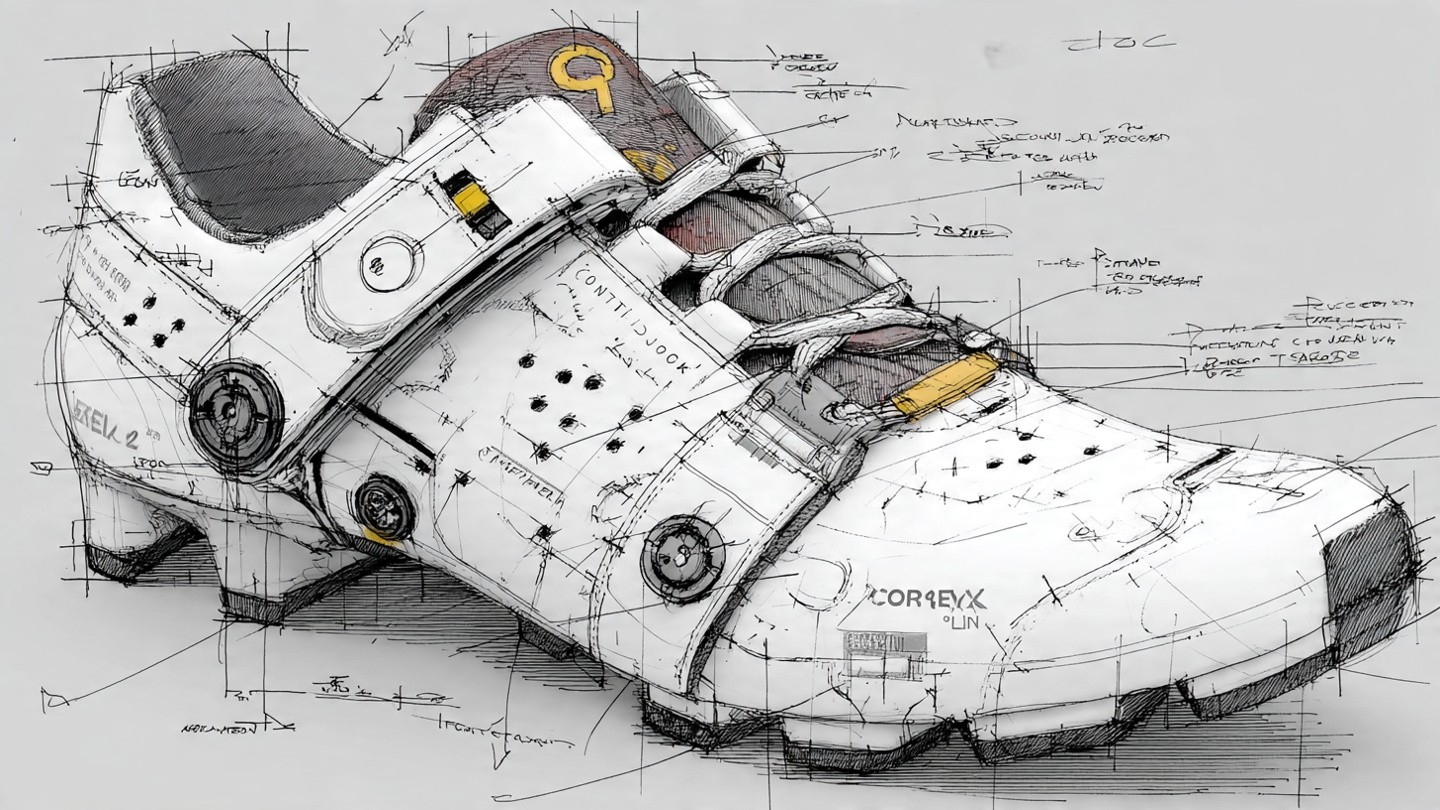
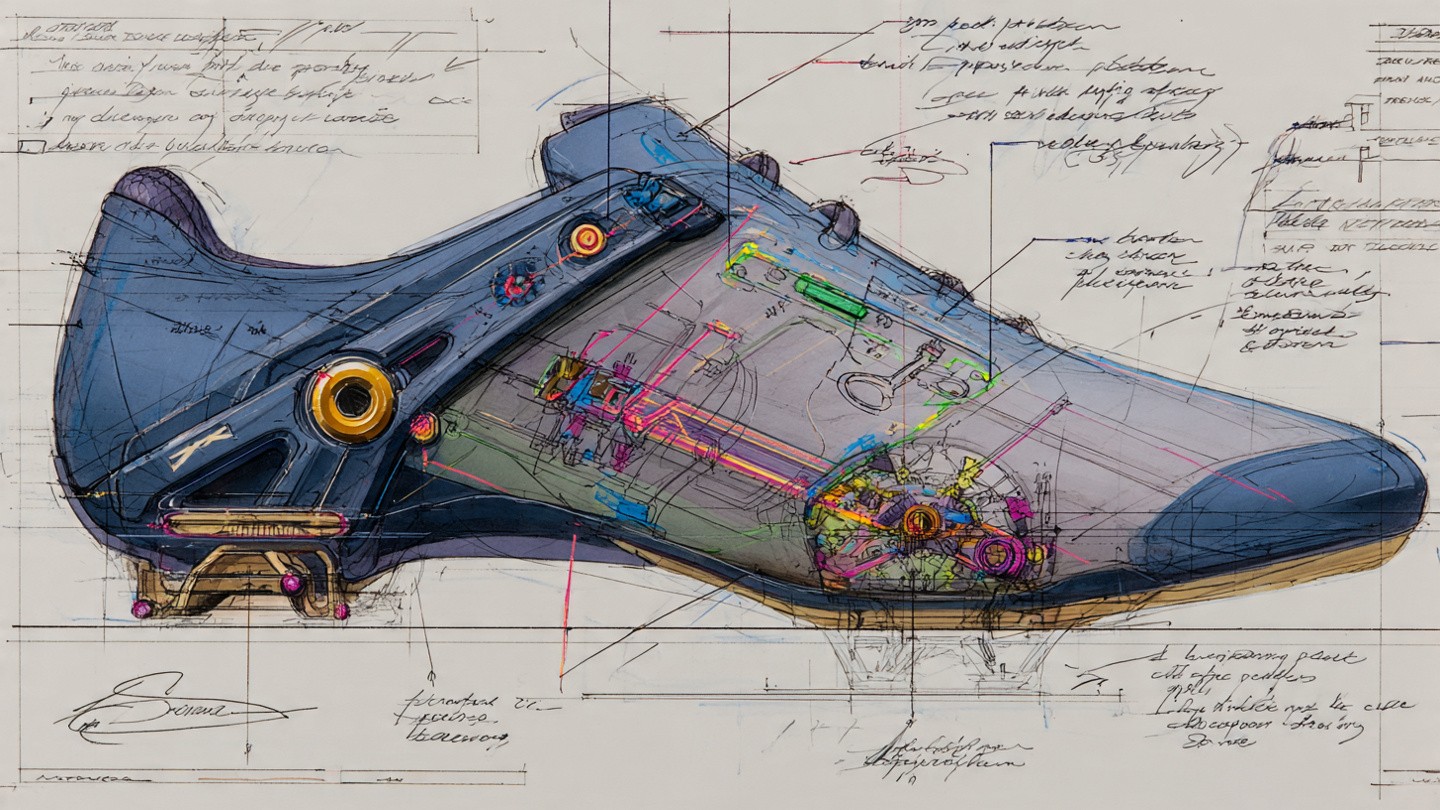
other generated sketches from workflow - plausible+implausible
Athlete Image → Shoe Image
Footwear geometry driven by peak horizontal force during block exit.
Athlete Image → Shoe Image
Footwear geometry driven by peak horizontal force during block exit.
[more to build]
Additional Systems in Development
Additional Systems in Development
Additional Systems in Development
02
THE DESIGNER CO-PILOT (seen above)
THE DESIGNER CO-PILOT (seen above)
Setup:
A ComfyUI / Weavy.AI workflow that responds to designer intent, not replaces it.
Visual Rule:
AI is never “finished” until a designer touches it.
Workflow:
Sketch → AI interpretation → designer correction → AI adapts (similar to above)
Visible feedback loops
Sequence:
Human sketch (messy, imperfect)
AI interpretation
Designer override (circles, strike-throughs)
Refined AI output that respects corrections
Why:
AI should never erases authorship.
Setup:
A ComfyUI / Weavy.AI workflow that responds to designer intent, not replaces it.
Visual Rule:
AI is never “finished” until a designer touches it.
Workflow:
Sketch → AI interpretation → designer correction → AI adapts (similar to above)
Visible feedback loops
Sequence:
Human sketch (messy, imperfect)
AI interpretation
Designer override (circles, strike-throughs)
Refined AI output that respects corrections
Why:
AI should never erases authorship.
03
FOOTWEAR DNA MODEL
FOOTWEAR DNA MODEL
Setup:
A fine-tuned model trained on:
Nike outsole logic
Midsole proportions
Toe spring rules
Heel geometry language
Visual Rule:
Focus on structure not on logos.
Workflow:
Generate based on logic input → output multiple brand dna models → Nike model clearly “feels” right without a Swoosh
why
This shows:
“Brand is geometry, not graphics.”
Setup:
A fine-tuned model trained on:
Nike outsole logic
Midsole proportions
Toe spring rules
Heel geometry language
Visual Rule:
Focus on structure not on logos.
Workflow:
Generate based on logic input → output multiple brand dna models → Nike model clearly “feels” right without a Swoosh
why
This shows:
“Brand is geometry, not graphics.”
04
PIXEL TO PROTOTYPE
PIXEL TO PROTOTYPE
Workflow:
AI → CAD → 3D print → physical object
This is an iterative heavy process
Sequence:
AI concept render
Raw 3D print (stringing, layer lines visible)
Refined prototype
output:
Triptych layout showing failure, iterations and prototypes
Why:
speeds up the building process by 30%-45%
Workflow:
AI → CAD → 3D print → physical object
This is an iterative heavy process
Sequence:
AI concept render
Raw 3D print (stringing, layer lines visible)
Refined prototype
output:
Triptych layout showing failure, iterations and prototypes
Why:
speeds up the building process by 30%-45%
05
FUTURE FOOTWEAR ATLAS
FUTURE FOOTWEAR ATLAS
Setup:
a Weavy.Ai + n8n + LLM system that stays up to date on how sport, materials, and culture are changing, and uses that information to continuously feed a generative design workflow so teams can explore ideas quickly and stay prepared.
A "living" AI model real time mapping:
Sports evolution
Material innovation
Cultural shifts
Output (visual language):
Archive meets future
Text overlays like Nike internal decks
Minimal color
Why:
prepreration beats preditcion.
Setup:
a Weavy.Ai + n8n + LLM system that stays up to date on how sport, materials, and culture are changing, and uses that information to continuously feed a generative design workflow so teams can explore ideas quickly and stay prepared.
A "living" AI model real time mapping:
Sports evolution
Material innovation
Cultural shifts
Output (visual language):
Archive meets future
Text overlays like Nike internal decks
Minimal color
Why:
prepreration beats preditcion.